
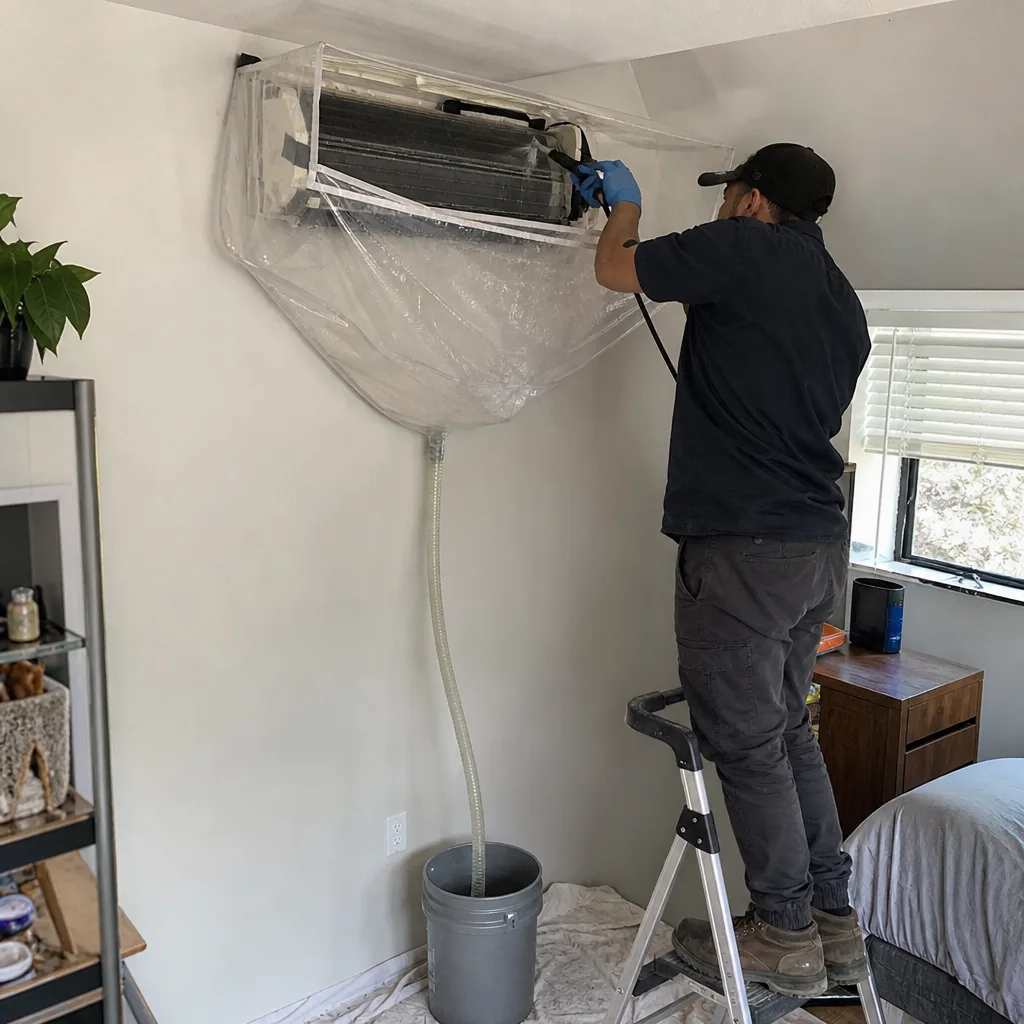
Last updated November 25, 2026
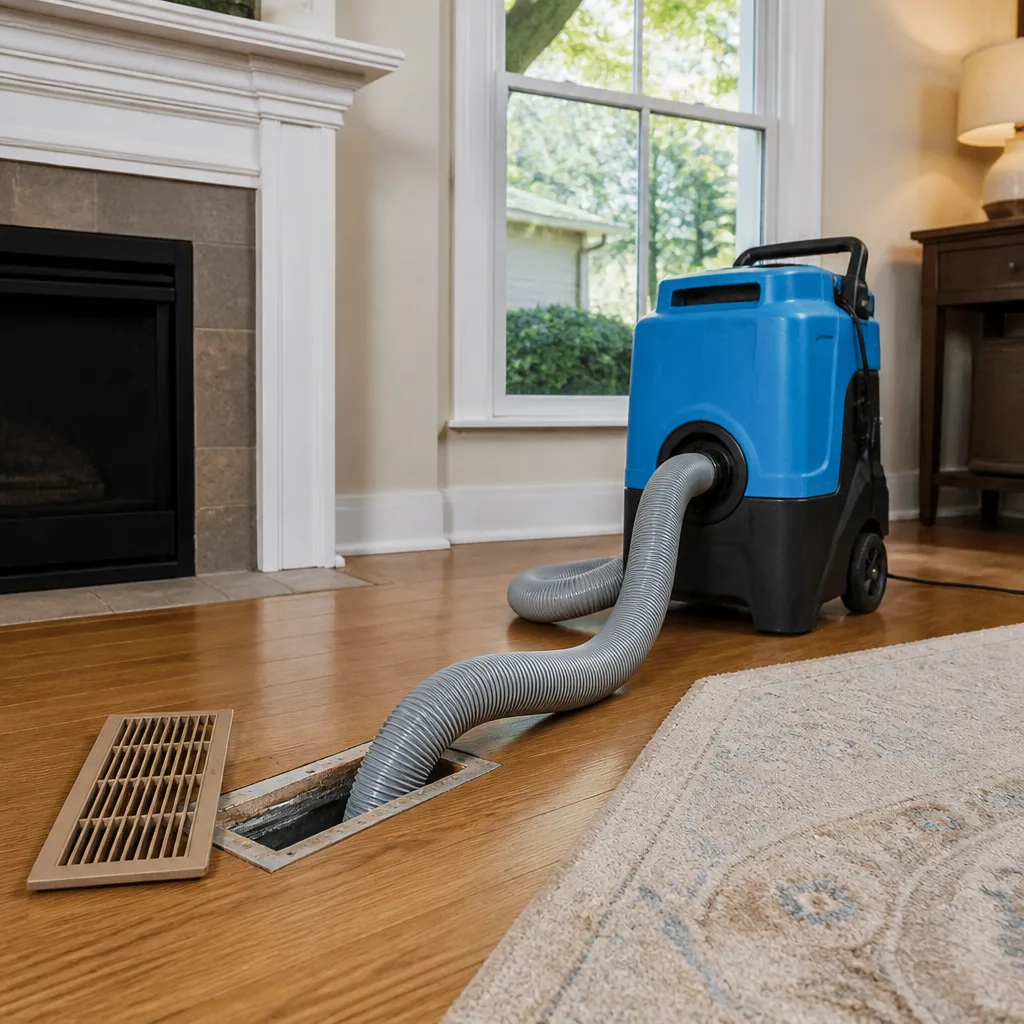 Whole-home duct cleaning
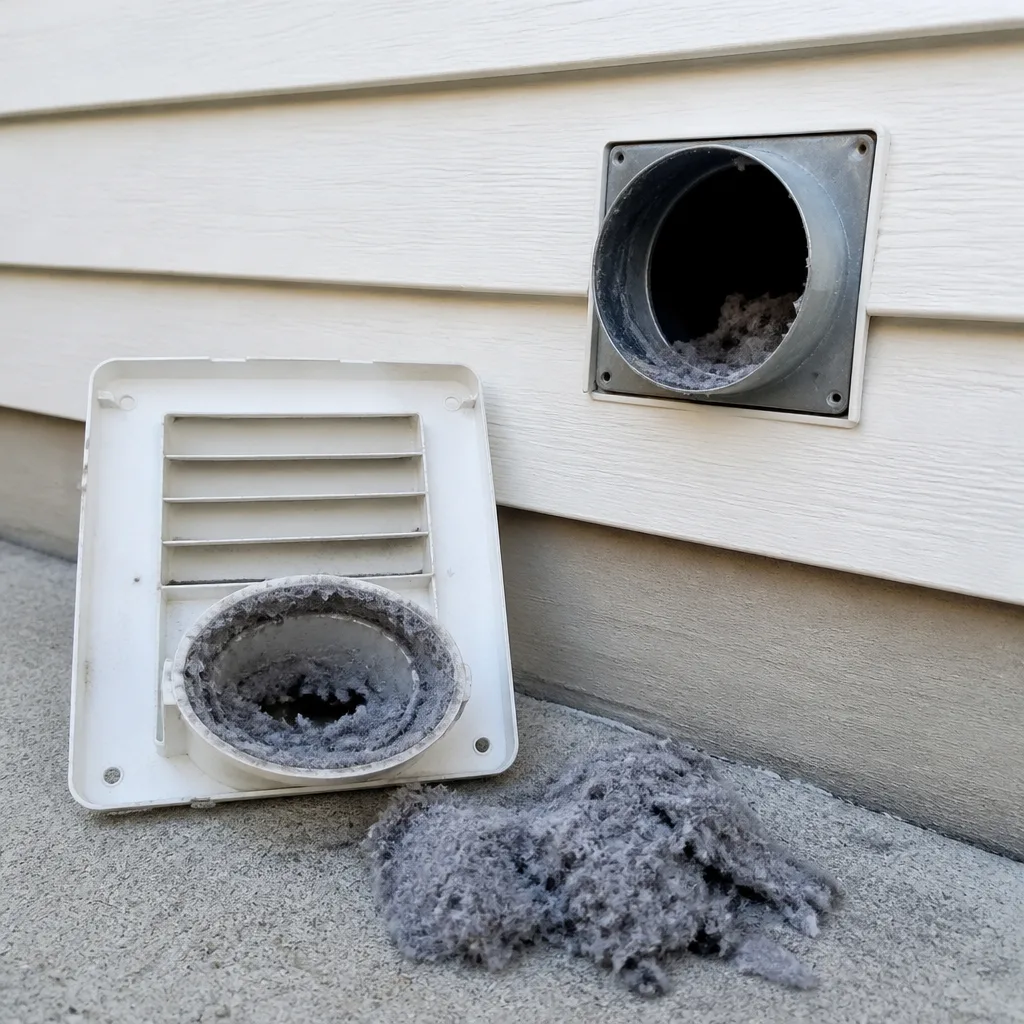 Dryer vent cleaning
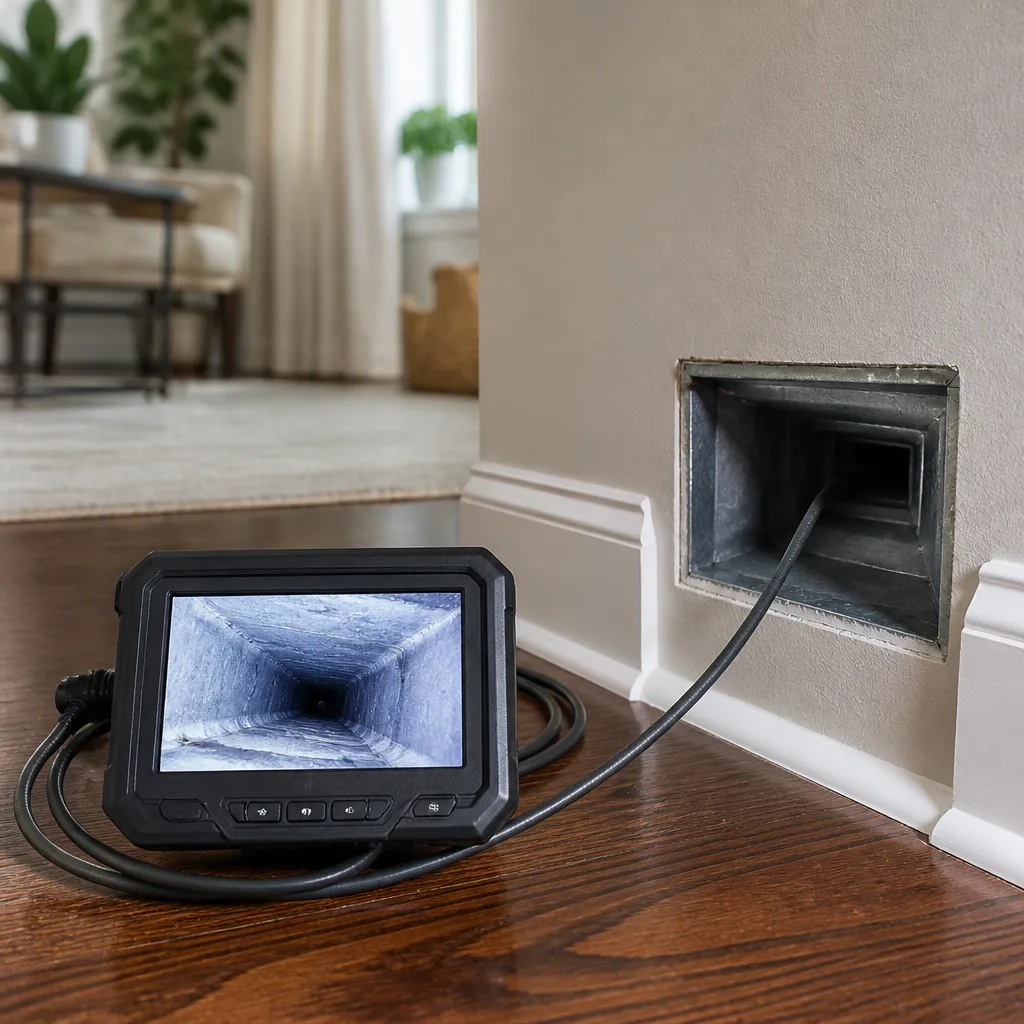 Camera inspection
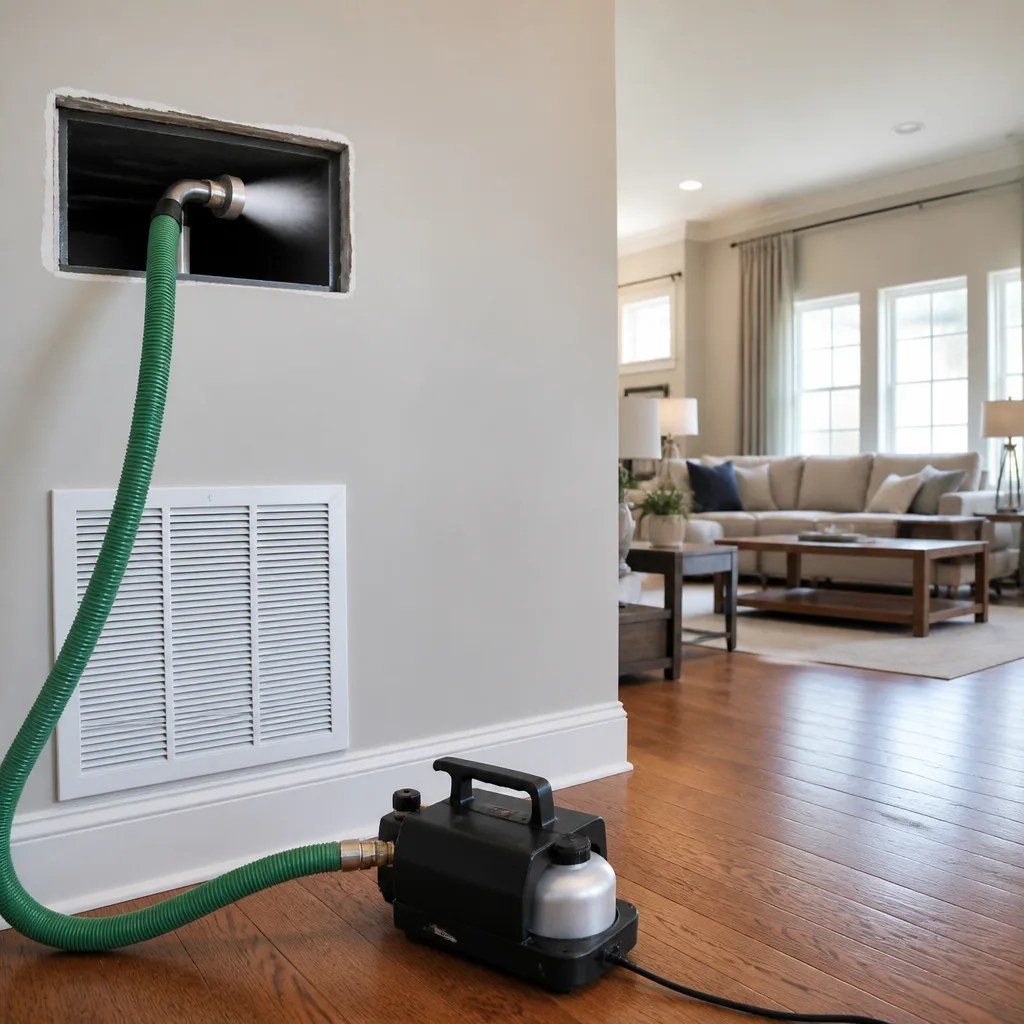 Sanitizing & deodorizing
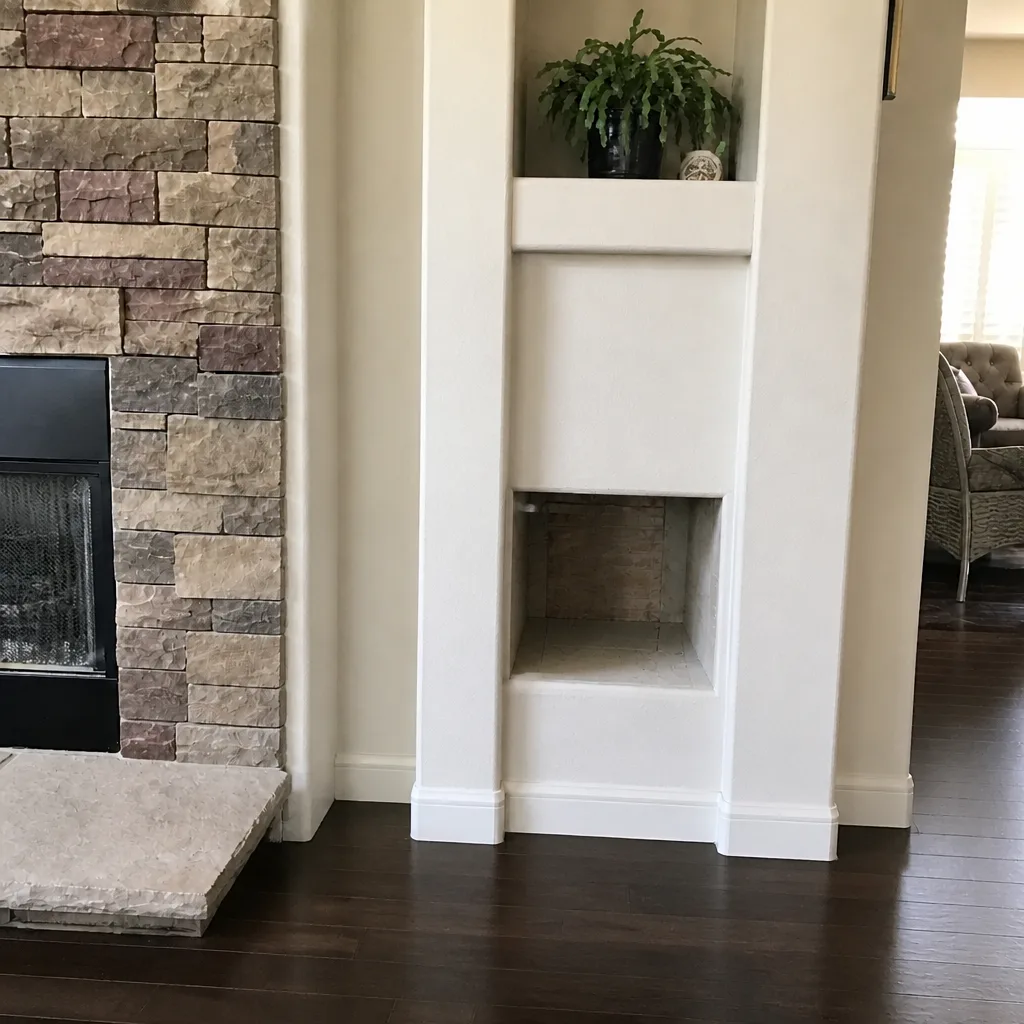
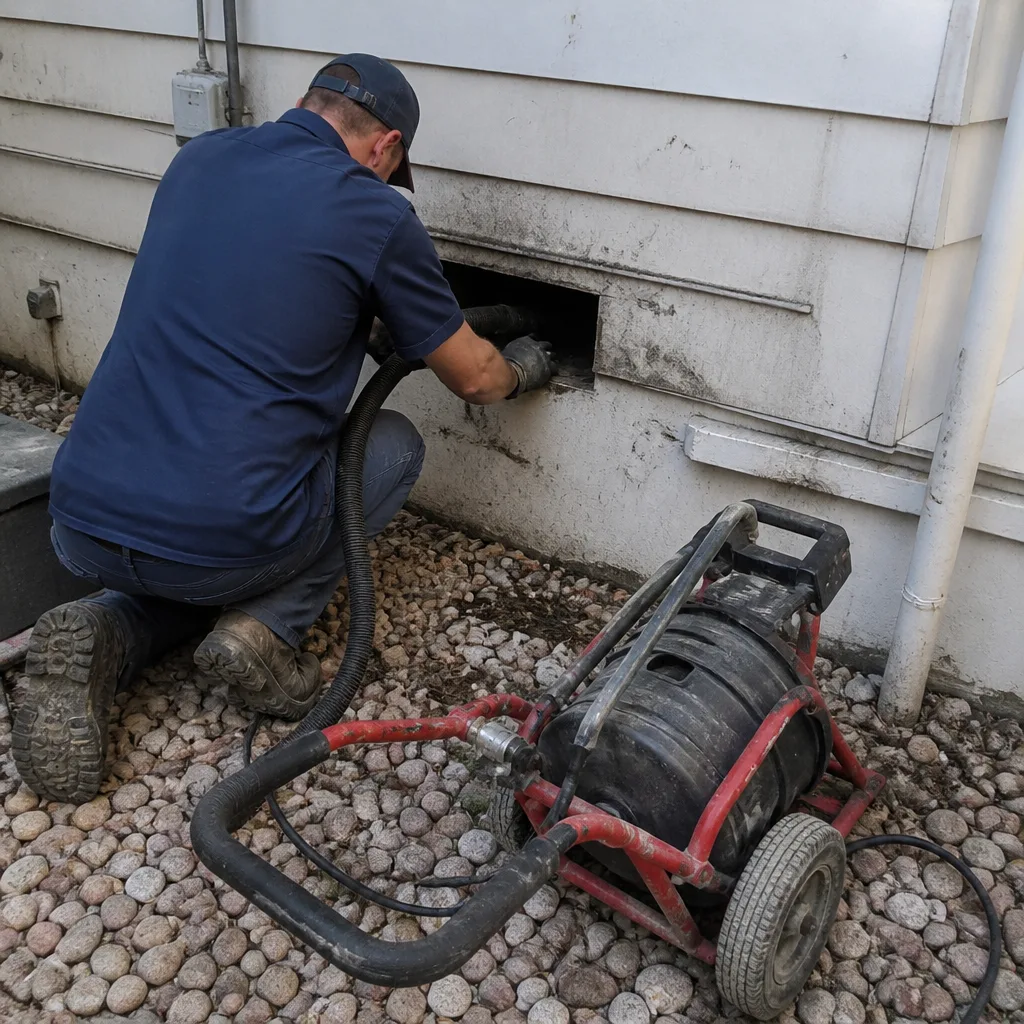
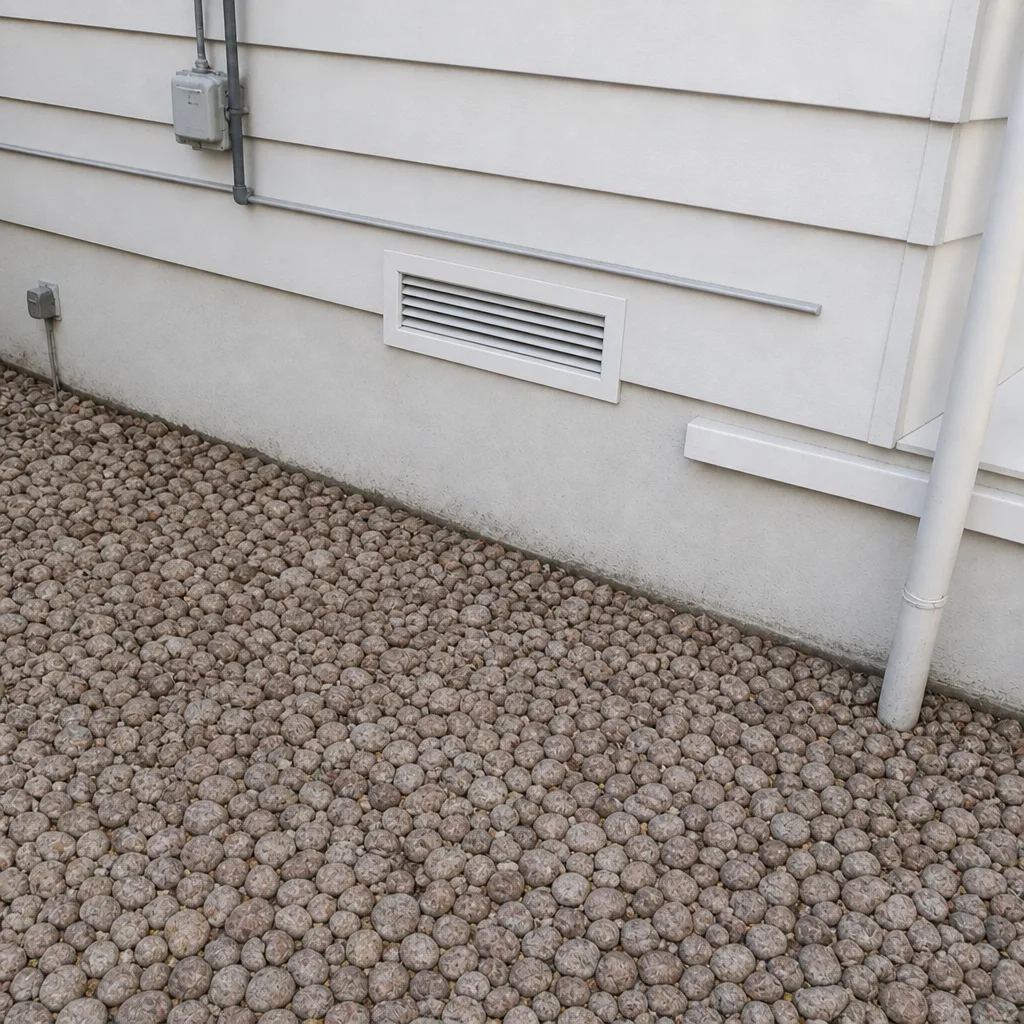
Whole-system duct and dryer vent check with before-and-after photos - you see exactly what came out of your vents
That "$99 whole-house special" is a bait ad - the real number appears once they are in your hallway, or the "clean" is a shop-vac at the register. We photograph the inside of your ducts before and after instead.
Air Duct Cleaning Warning Signs: A Broomfield Homeowner’s Reference Guide
Most homeowners who call about duct cleaning point to the same thing: dust puffing out of a register when the furnace kicks on. It feels like proof. In our experience, though, that puff is rarely a dirty duct trunk. It’s usually a failed register boot seal or a collapsed flex section right behind the grille, and no amount of brush cleaning will fix a gap that wasn’t sealed in the first place. This guide does more than list symptoms. It explains what each warning sign means mechanically, how to tell a duct problem from a furnace or coil problem, and how to sort what you’re seeing into “monitor,” “schedule,” or “call today.” Broomfield homes have their own patterns, and we’ll point those out too.
Quick Answer
A real duct problem shows up as a persistent symptom linked to system operation: dust that returns within days of cleaning, airflow that’s uneven room to room, a musty or sour odor that appears only when the blower runs, or utility bills that climb without a weather explanation. Normal dust at a register face is not a warning sign. The trigger to call is when a symptom repeats or worsens after you’ve changed filters and confirmed the return grille is clear.
Styles & brands we work with
- Whole-home duct cleaning
- Dryer vent cleaning
- Camera inspection
- Sanitizing & deodorizing
Table of Contents
- The Symptom-to-Cause Matrix
- Odor: Dirty Duct vs. Biological Growth
- Airflow Problems: Duct or Furnace?
- Warning Signs in Broomfield’s 2010-and-Later Construction
- The Three-Tier Severity System
- The Filter Trap: Misreading a Dirty Filter as a Dirty Duct
- The Dryer Vent: A Different Warning Sign Entirely
- Common Mistakes to Avoid
What Does Each Duct Warning Sign Actually Indicate?
Each symptom maps to a specific mechanical cause, and the mapping matters because it tells you what to inspect first. A homeowner who understands the matrix doesn’t pay for cleaning when the problem is a seal, or a coil clean when the problem is a return that can’t keep up.
Here’s the diagnostic breakdown we work from:
- Visible dust puffing from registers on startup: Register boot seal failure or a disconnected flex collar. The dust is being pulled from wall cavity or crawl space air through an unsealed gap, not shaken loose from the trunk line.
- Dust returning to horizontal surfaces within one to two weeks of a full clean: A continuing source, usually an unsealed return chase or filter bypass, is reintroducing particulates after the clean.
- Musty, earthy, or sour odor that appears only with the blower: Moisture in the system supporting microbial growth, typically on the evaporator coil, in a condensate pan, or in heavily insulated flex duct that has been wet.
- Uneven airflow, some rooms cold and others hot: Static pressure imbalance. Undersized returns, crushed flex, or a partially closed balancing damper are the usual culprits.
- Utility bills climbing without weather or rate changes: Leaky duct seams in unconditioned space, or a restriction that’s forcing the blower to work harder.
- Allergy or asthma flare-ups that worsen when the system runs: Fine particulate loading in the airstream, aggravated by filter bypass or a return that draws from a dusty attic or garage.
Each item points at a different fix. Treat the matrix as a starting point, not a diagnosis, because inspection often turns up two or three issues stacked on top of each other. Broomfield homes built on a slab with attic-mounted air handlers tend to show the seal and flex issues most often, simply because there’s more accessible ductwork in unconditioned space.
How Do You Tell a Dirty Duct Smell from a Biological Growth Smell?
The odor itself is the diagnostic clue. A dirty-duct smell is flat, dusty, and settles after the blower runs for a minute or two. A biological-growth smell is musty, earthy, or sour, and it gets stronger the longer the system runs, because the blower is pushing air across the growth and into every room.
Here’s how to read the descriptors:
- Dusty, chalky, or “old basement” at startup only: Settled debris being disturbed. Cleaning plus a filter and seal audit usually resolves it.
- Musty or damp-earth, steady while the fan runs: Moisture-driven growth, most often on the evaporator coil, in the drain pan, or in wet insulation.
- Sour, sharp, or faintly chemical: Can point to a failing component, a cracked heat exchanger, or debris reacting with heat. Any sharp or chemical odor is a call-today situation. Shut the system down and have it inspected by a licensed HVAC professional before running it again.
- “Wet dog” or strongly sour smell that appears only in cooling season: Condensate not draining properly, or a pan that’s held water. Duct cleaning alone won’t fix it.
Odor is also a safety flag in a specific way. A gas smell anywhere in the system is not a duct issue, it’s a gas-line emergency, and the correct action is to leave the home and call the utility. We’re careful to say that here because it’s the one odor warning sign no homeowner should investigate themselves.
Airflow Problems: Is It the Duct or the Furnace?
The single most expensive mistake we see is paying for duct cleaning when the actual restriction is a dirty evaporator coil. A coil that’s caked with dust and fiber blocks airflow just like a collapsed duct does, but the fix is at the coil, not the ductwork.
Here’s how to sort the two:
- Check the filter first. A loaded filter mimics a duct problem exactly. Replace it, run the system for a full cycle, and see whether the symptom persists.
- Compare register flow room by room. If airflow is weak everywhere, the restriction is upstream: filter, coil, blower wheel, or main trunk. If airflow is weak in only one or two rooms, the branch run or its damper is the likely cause.
- Listen at the return. A whistling or straining return points to an undersized return system, which is a design issue that cleaning can’t fix.
- Look for a temperature split. Weak airflow with normal supply temperature suggests a restriction. Weak airflow with a supply temperature that’s noticeably low or high can point at the coil or the blower.
- Have the coil inspected before ordering a clean. A visual inspection at the coil tells you whether the restriction is there or downstream.
In our experience across Broomfield, roughly the same mix of causes appears as anywhere else, but attic-mounted air handlers in newer construction make the coil inspection faster and easier to reach. If the inspection shows the coil is the restriction, get the coil cleaned first, then evaluate the ducts separately. Cleaning ducts to solve a coil problem is paying for the wrong fix.
What Warning Signs Are Specific to Broomfield’s Newer Construction?
Homes built in Broomfield from about 2010 onward show three patterns that older stock doesn’t: underslung and improperly supported flex duct, undersized return chases, and construction debris left in branch runs. Each one produces symptoms a homeowner can spot without opening a wall.
The warning signs, in order of how often we encounter them:
- Flex duct sagging between hangers in the attic. Flex that’s supported on too-wide intervals or sagging between joists collapses under its own weight, choking the run. The symptom is a room that’s always a few degrees off from the rest of the house.
- Returns that whistle or feel weak at the grille. Newer construction often sized returns for the mechanical code minimum rather than for the actual room-by-room load. The symptom is a house that runs longer than its neighbors on the same block.
- Drywall dust, wood chips, and offcuts in the branch runs. Construction debris gets sealed into the system and never gets cleaned out. The symptom is fine dust appearing at registers years after move-in, especially in rooms nearest the build-out.
- Boot collars that aren’t taped or mastic-sealed. A boot that’s friction-fit only will leak inward on the return side. The symptom is the dust puff at startup that we opened this guide with.
None of these are the homeowner’s fault, and none require a rebuild. They require inspection, sealing of the leaks, and re-support of flex where it’s sagging. That’s the reasoning behind our position: clean ducts are the start, sealed and repaired ducts are the finish.
The Three-Tier Severity System: Monitor, Schedule, or Call Today
Not every warning sign needs immediate action. Sorting symptoms by tier stops homeowners from overreacting to normal dust and stops them from sitting on a real problem.
Monitor this season:
- Light dust on register faces with no return of dust on furniture within days of a clean.
- Bills that fluctuate with weather but show no upward trend.
- A single room that runs slightly warmer or cooler than the rest, with comfortable overall performance.
Schedule within 30 days:
- Dust returning to furniture and horizontal surfaces within one to two weeks of cleaning.
- A persistent musty smell that appears with the blower.
- Two or more rooms with noticeably weak airflow.
- Visible debris or a puff at startup from more than one register.
- A dryer vent that takes longer to dry a load than it used to (treat this the same tier as a duct clean, and don’t defer it; a restricted dryer vent is a fire risk).
Call today:
- A sharp, chemical, or burning smell from any register.
- A gas smell anywhere in the home.
- Flames or scorching visible at the heat exchanger or a burner.
- A dryer that runs hot to the touch or has visible lint accumulation behind the unit.
Use the tier to prioritize, then call for an inspection. The estimate is free and the price is set per job by the written estimate, so you’re not committing to work by getting a diagnosis. Call (877) 792-6623. We answer 24/7. Fast dispatch from 7am to 7pm, Sunday through Friday.
The Filter Trap: How Homeowners Misread a Dirty Filter as a Dirty Duct
A loaded filter produces the exact symptoms of dirty ducts, and it’s the first thing to rule out before booking anything. Filter bypass, where air goes around the filter instead of through it, is the second most common misdiagnosis.
Run through this checklist before you call anyone:
- Pull the filter and hold it up to a light. If light won’t pass through it, replace it.
- Check the filter slot for gaps between the filter frame and the housing. If you can see light around the edges, air is bypassing the filter and carrying dust into the coil and ducts.
- Confirm the filter you’re using matches the MERV rating the manufacturer specified. Higher isn’t always better in a residential system; an over-restrictive filter can starve the blower and mimic a duct restriction.
- Look at the return grille. A clogged return grille can do the same thing.
- Run the system for a full cycle after the change and see whether the symptom returns.
If the symptoms persist after you’ve done all five, the problem is in the system, not the filter. Broomfield homes with pets, and homes near the open space corridors where pollen blows through in spring, tend to load filters faster than the calendar suggests. Change on condition, not just on a schedule. Our team installs and services Honeywell and Aprilaire filtration equipment when a filter slot needs a real fix instead of a new filter.
The Dryer Vent: A Warning Sign That Belongs to a Different System
A dryer vent warning sign is not a duct warning sign, and treating it as one delays a safety fix. The symptoms are specific: a load that used to dry in one cycle now takes two, the top of the dryer is hot to the touch, the outside flapper doesn’t open when the dryer runs, or you can see lint behind the unit or in the wall cavity where the vent penetrates.
Any one of those is a fire-safety trigger. Lint is highly combustible, and a restricted dryer vent is one of the most common causes of residential fires. The fix is a proper clean of the full vent run, from the dryer connection to the outside termination, and a check that the run has as few bends as the installation allows.
We mention dryer vent cleaning here because it’s a warning sign homeowners often misattribute to the ducts. The two systems share a symptom (weak airflow) and nothing else. If your dryer and your registers are both slow, treat them as two separate calls and address the dryer vent first.
How We Inspect a Duct System (and What the Equipment Does)
Inspection is a visual and mechanical process, not a guess. We work with Rotobrush contact-cleaning equipment and Nikro HEPA negative-air systems, and we run Abatement Technologies air containment on every job so that whatever gets dislodged is captured, not redistributed through the home.
The inspection steps we follow:
- Visual audit of every register and return, from the face grille to the boot collar. Seal failures and disconnected collars are usually visible here.
- Inspection of the main trunk and each branch with a camera where access allows. This is where construction debris in newer Broomfield homes shows up.
- Coil and blower inspection to confirm whether the restriction is in the ducts or at the equipment.
- Static pressure check at the return and supply to measure whether the system is moving the air it was designed for.
- Written findings that separate cleaning needs from repair and sealing needs, because the two are different jobs.
If the findings show seal failures or degraded flex, the fix is a duct repair and sealing scope, not another clean. Cleaning what’s leaking doesn’t solve anything. We carry that as a separate service under the same visit for exactly that reason. If the findings show the system is sound, we’ll tell you that too, and the honest answer is usually a filter change and a follow-up inspection in a season.
Common Mistakes to Avoid
- Booking a clean on the dust-puff symptom alone. Puffing dust at startup is a boot seal or flex issue about as often as it’s a duct issue. Get a visual inspection at the boots before you book anything.
- Skipping the coil inspection. A dirty evaporator coil produces the same symptoms as dirty ducts. Cleaning ducts without checking the coil leaves the actual restriction in place.
- Accepting a per-vent quote without knowing what’s included. Per-vent pricing tells you nothing about whether the trunk, main returns, and boots are covered. Ask for a flat price per system agreed before work starts.
- Assuming a dryer problem is a duct problem. A dryer that takes twice as long to dry a load is a fire-safety issue, not a duct-cleaning issue. Treat it as its own job.
- Replacing filters on a calendar instead of on condition. Broomfield homes near open space and homes with pets load filters faster in spring. Check the filter at the change-out, not the date.
- Ignoring a musty odor because “it’s an old house.” Odors that appear with the blower point at moisture in the system, not at the house’s age. Treat it as a “schedule within 30 days” item at minimum.
- Waiting for the system to fail before scheduling. If the filter is clean and the symptom returns in two weeks, you’ve got a system problem. Booking the inspection early is cheaper than waiting for the blower to fail on a cold snap.
See the difference
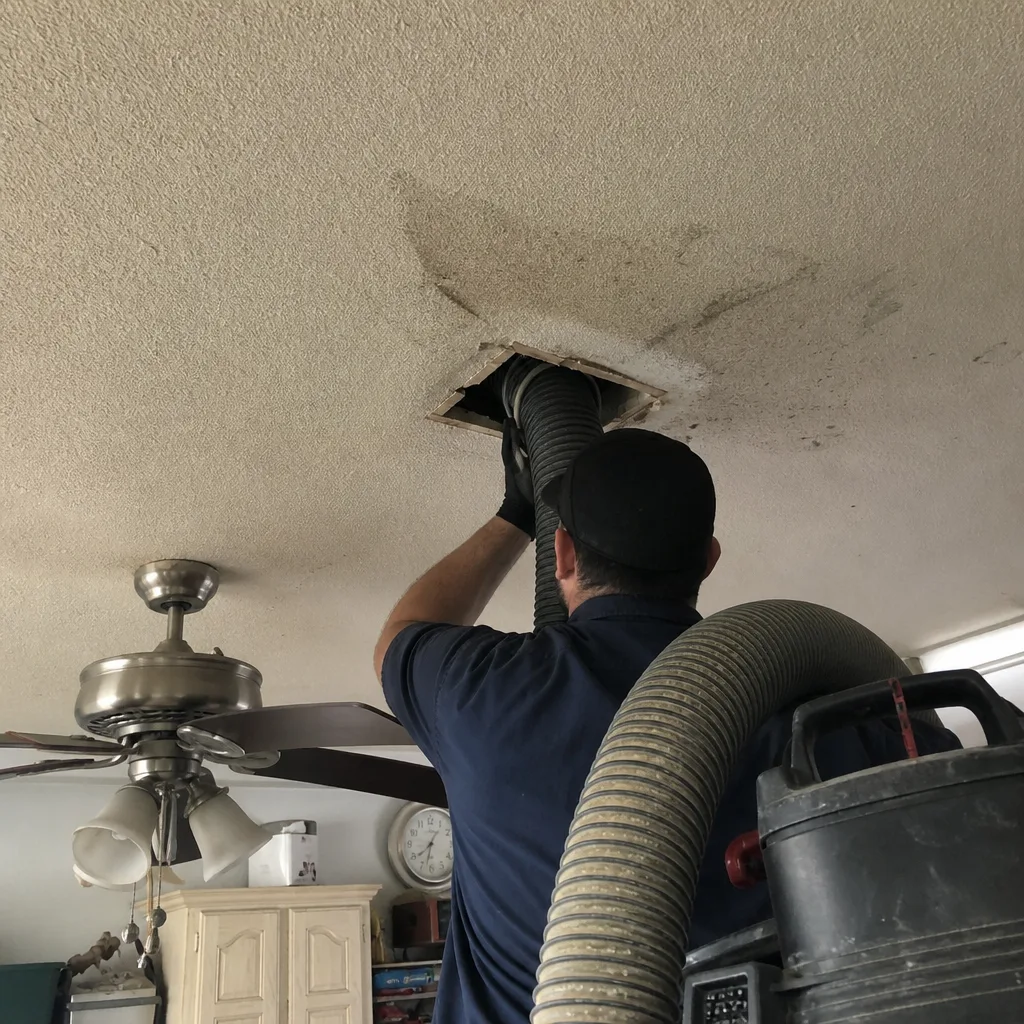 Before
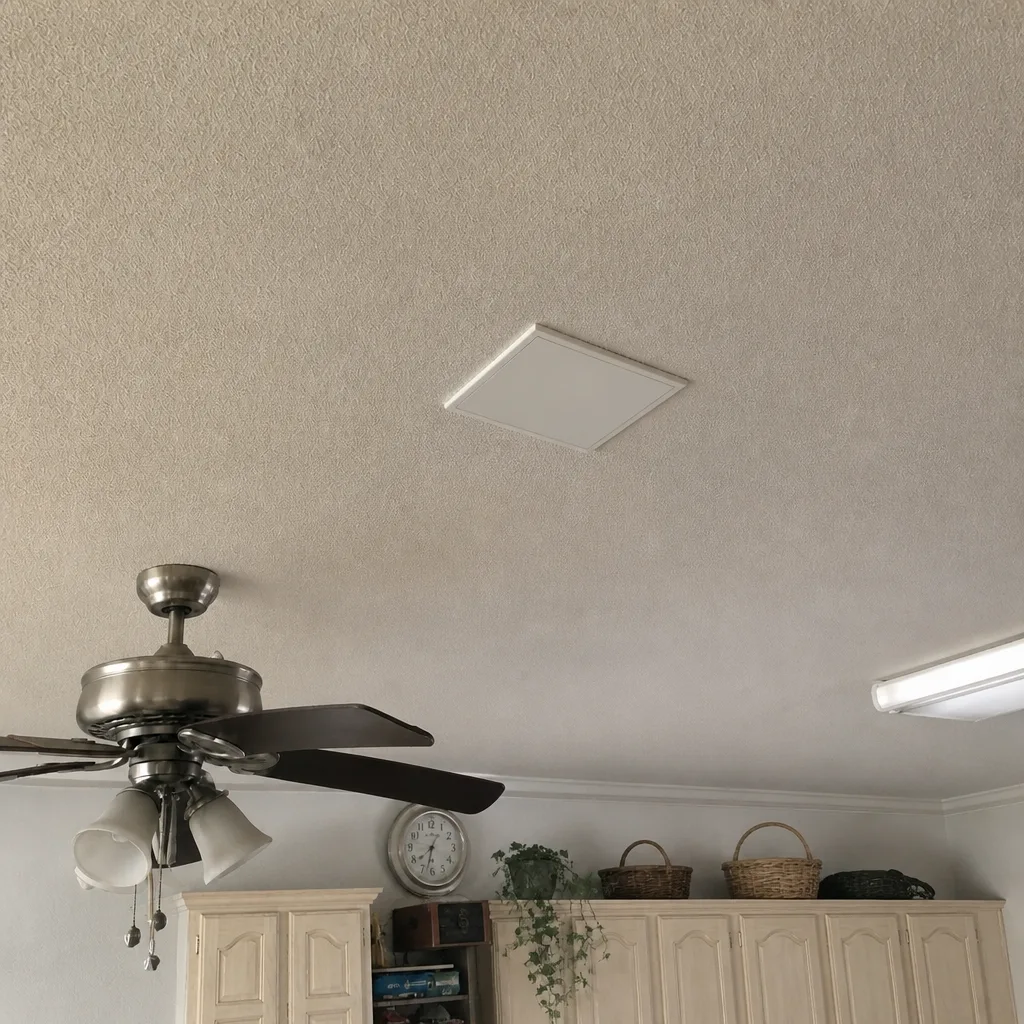 After
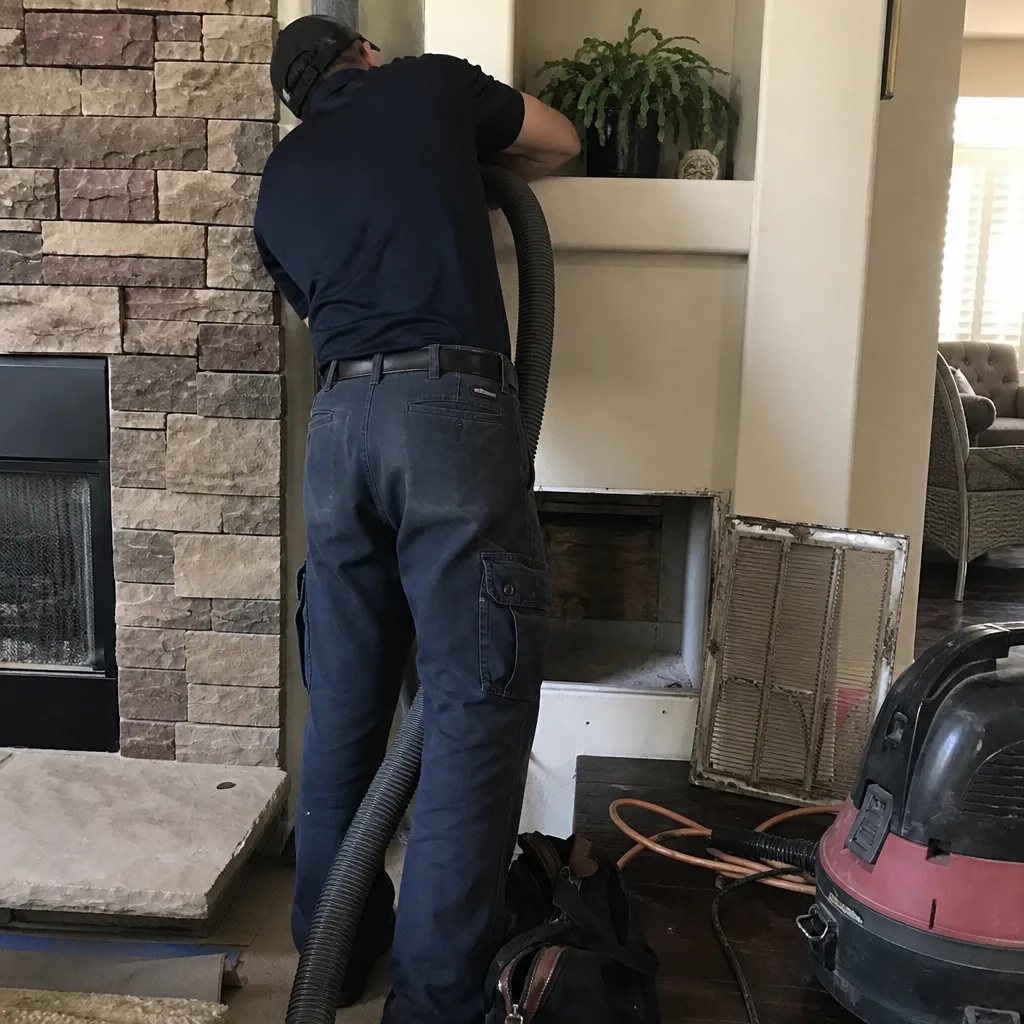 Before
 After
 Before
 After
When to Call a Professional
Call when a symptom is in the “schedule within 30 days” or “call today” tier. Call when you’ve changed the filter, cleared the return grille, and the symptom still returns within two weeks. Call when a musty smell appears only while the blower runs, when two or more rooms run noticeably weak, or when the dryer vent is slow or the dryer is hot to the touch. Call when you’ve had a previous clean and the dust is back faster than it should be, because that’s a seal or bypass issue, not a cleaning failure. Call if you’re a property manager with a unit turnover and no service history on file. Broomfield Air Duct Cleaning Pros offers free estimates in Broomfield. Call (877) 792-6623. We answer 24/7. Fast dispatch from 7am to 7pm, Sunday through Friday, and we’re closed Saturday (a call that comes in on a Saturday is booked into the next opening on Sunday).
Frequently Asked Questions
Air duct cleaning in Broomfield is priced per system, not per vent, and the written estimate sets the final price. Whole-system ranges vary with the number of branches, the size of the return system, and whether repair and sealing is included. Get a flat price agreed before work starts, and ask whether the boots and main returns are covered. Call (877) 792-6623 for an exact quote. Estimates are free.
Cheap quotes usually price per vent and clean only the face grilles, not the full duct run. The low number becomes a much larger invoice once the technician is on site and “discovers” the rest of the system needs work. A flat price per system that includes the trunk, returns, and boots is the honest structure. Call (877) 792-6623 for an exact quote on that structure. Estimates are free.
Ask for before-and-after photos of your own ducts, taken during the job, along with a written summary of what was cleaned, what was inspected, and what was found. That’s the standard we work to. Any provider that won’t supply photos of your system is asking you to take the work on faith. Call (877) 792-6623 for an exact quote. Estimates are free.
There’s no universal interval. Most homes go several years between full cleans, but the honest answer is condition-based: a clean filter, a clean return grille, and no returning dust means the system is fine even if it’s been a long time. A home with pets, a renovation in the last year, or a recent move needs it sooner. Call (877) 792-6623 for an exact quote. Estimates are free.
Newer homes often have a different set of needs, not necessarily an earlier cleaning date. Construction debris sealed into branch runs, undersized returns, and unsupported flex are the issues we see most in Broomfield’s 2010-and-later construction. The fix is inspection, cleaning, and sealing, not cleaning alone. Call (877) 792-6623 for an exact quote. Estimates are free.
A musty smell that appears only while the blower runs is a moisture problem in the system, and it’s usually at the evaporator coil, the condensate pan, or wet insulation, not in the duct trunk. Cleaning the ducts without finding the moisture source won’t solve it. Start with an inspection. Call (877) 792-6623 for an exact quote. Estimates are free.
The Bottom Line
Warning signs are a starting point for the right question, not a diagnosis. Dust puffing from a register is usually a seal, not a dirty trunk. Weak airflow is usually a coil or a return, not a clogged duct. A musty smell is moisture, and a slow dryer is a fire risk. Sort symptoms by tier: monitor, schedule, or call today. Rule out the filter first. Inspect the coil before ordering a clean. And when the inspection shows leaking or degraded ductwork, treat duct repair and sealing as the fix, not a second cleaning. That’s how Broomfield homeowners spend money on the actual problem instead of on the wrong fix.
Contact
If you’re seeing any of the symptoms in this guide, our air duct cleaning and HVAC cleaning services cover the full system from intake to register, and our air quality and sanitizing work includes Honeywell and Aprilaire upgrades where a filter slot needs a real fix. If your business or rental property has a schedule to keep, one provider handling all five services removes the coordination cost of juggling multiple contractors. For the wider picture on what we do, see Broomfield Air Duct Cleaning Pros. Call (877) 792-6623 for a free estimate. We answer 24/7. Fast dispatch from 7am to 7pm, Sunday through Friday, closed Saturday. One flat price per system, agreed before work starts. Our technicians have up to 10 years of experience, and the local professional we connect you with is licensed and insured as their state requires.
Written by the team at Broomfield Air Duct Cleaning Pros.