
Last updated November 25, 2026
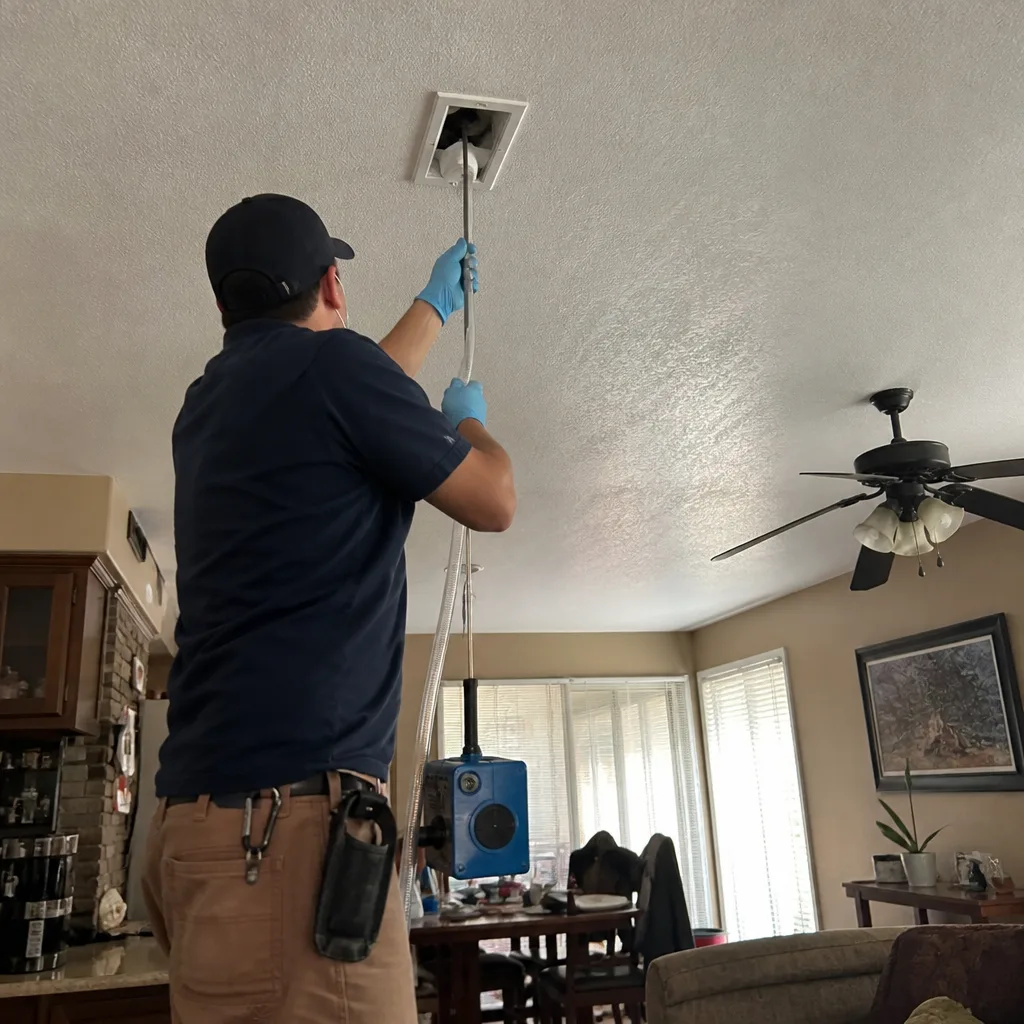
 Whole-home duct cleaning
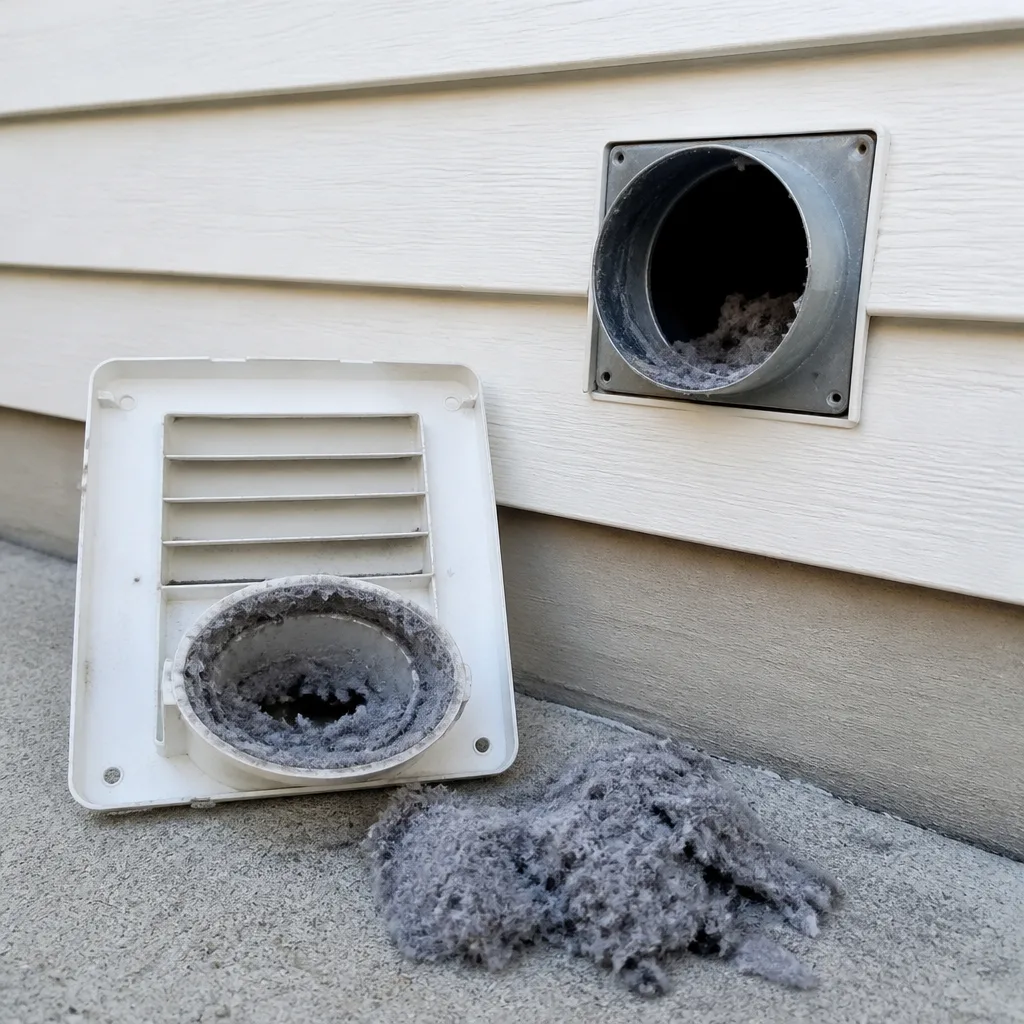 Dryer vent cleaning
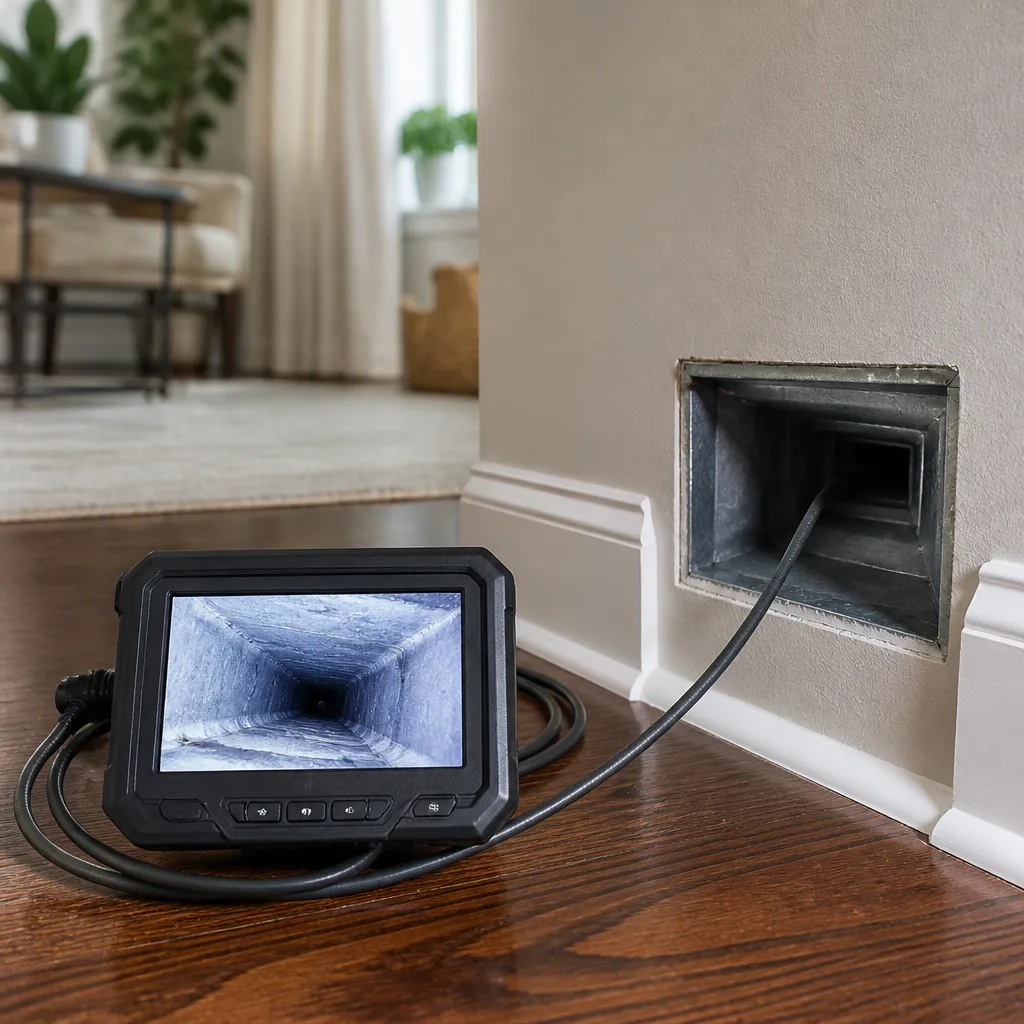 Camera inspection
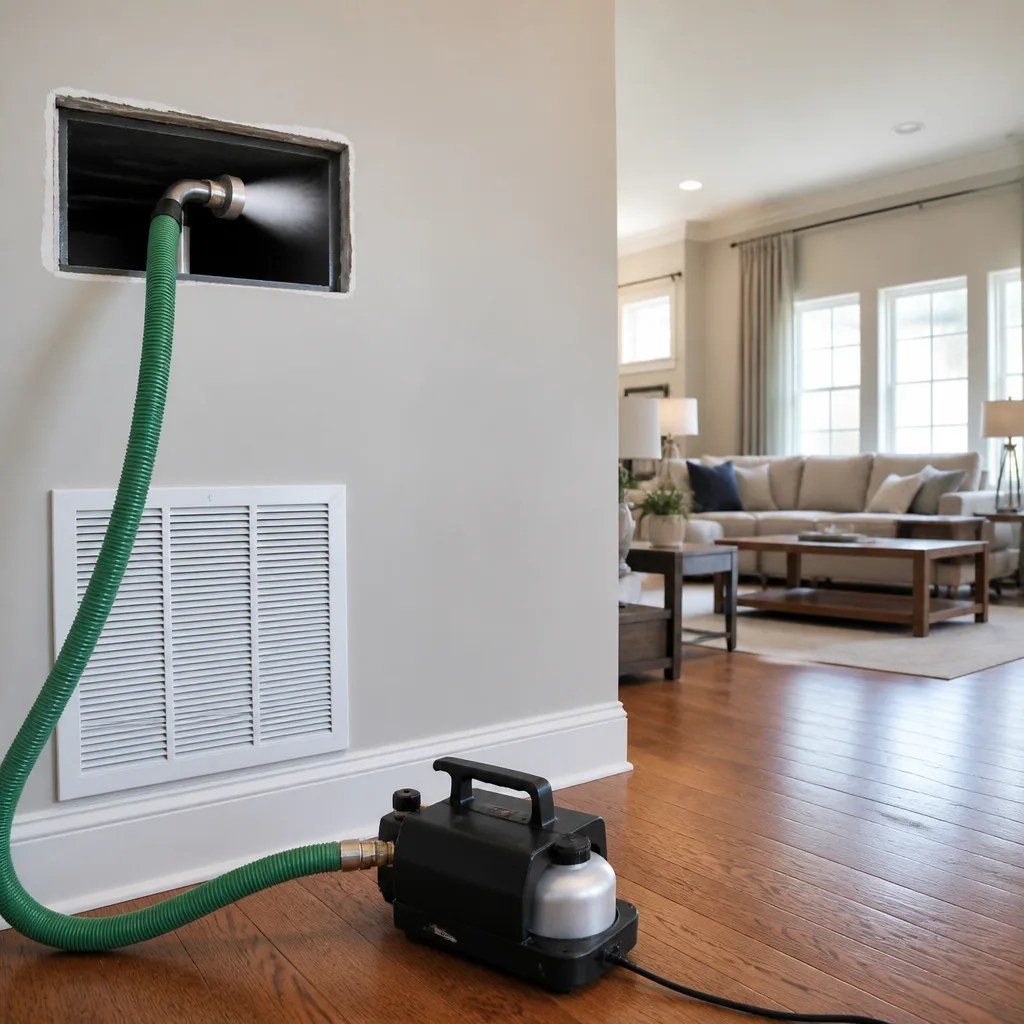 Sanitizing & deodorizing
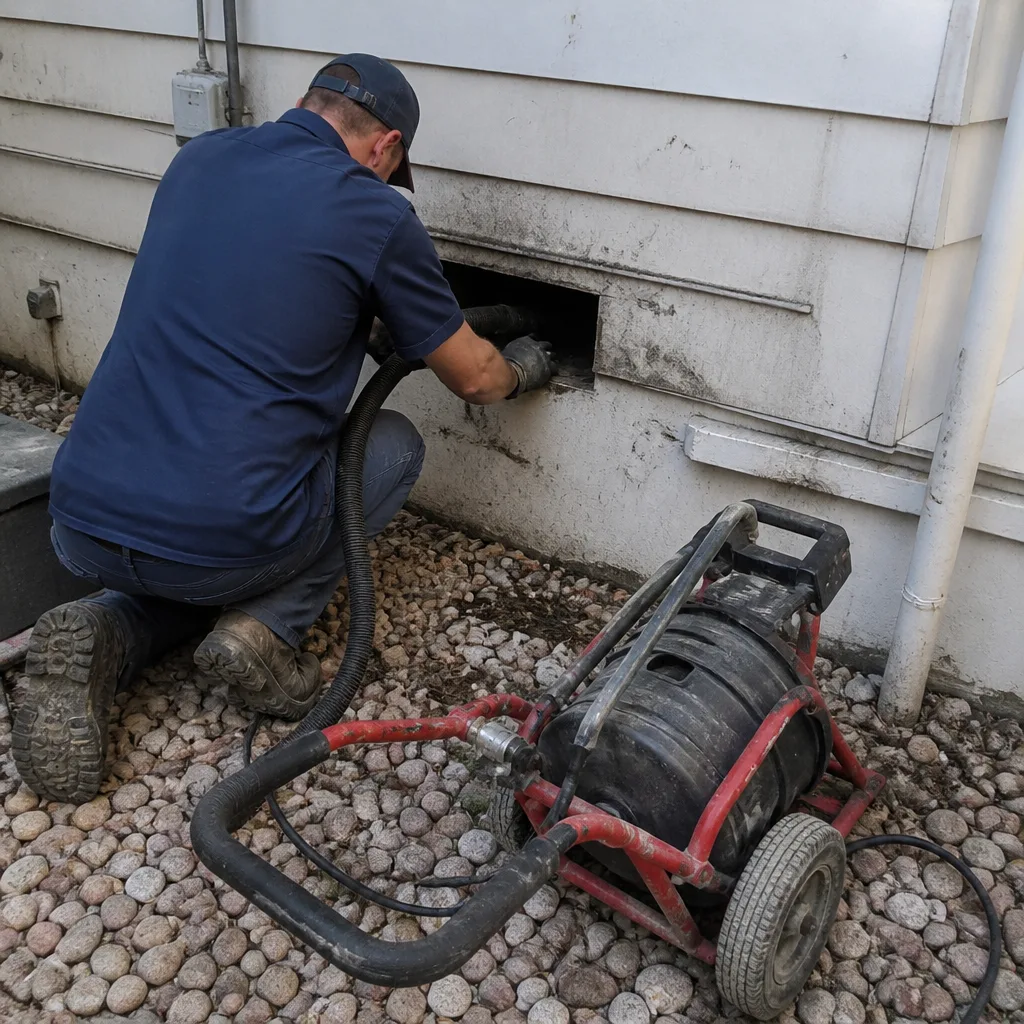
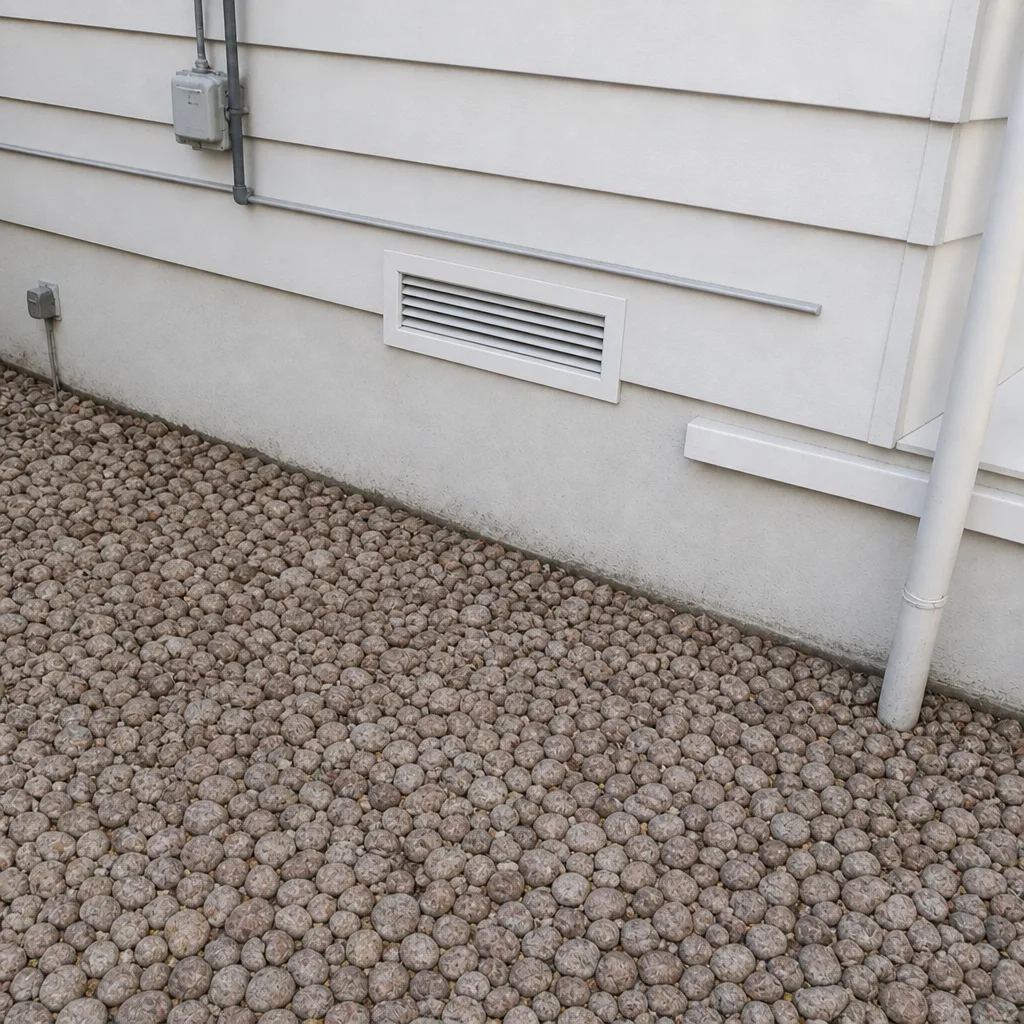
Whole-system duct and dryer vent check with before-and-after photos - you see exactly what came out of your vents
That "$99 whole-house special" is a bait ad - the real number appears once they are in your hallway, or the "clean" is a shop-vac at the register. We photograph the inside of your ducts before and after instead.
Air Duct Cleaning Cost Breakdown: The Broomfield Homeowner’s Reference for 2026
A $149 duct cleaning ad and a $900 written estimate often describe jobs that share only a name. The gap isn’t a markup conspiracy; it’s scope. One number covers blasting air through a couple of registers, the other covers contact-cleaning every interior duct surface from the air handler to each supply boot with negative-pressure containment running the whole time. If you’re budgeting for duct work in Broomfield, the only way to compare quotes honestly is to break them into the parts that actually drive cost: linear footage, access points, system configuration, duct material, and add-on services. This guide walks through each line item with 2026 Broomfield-market ranges, flags which add-ons earn their keep, and shows you how to read a written quote so the price you agree to is the price you pay.
Quick Answer
A full-service, source-removal air duct cleaning for a typical 2,400-square-foot Broomfield home runs roughly $600 to $900 in 2026, while bare-minimum “blow-and-go” work starts near $149 to $299 and cleans far less. Whole-system pricing, not per-vent pricing, is the transparent model for most homes. The final number depends on linear footage, number of access points, duct material, and whether you add sealing, sanitizing, or dryer vent cleaning.
Styles & brands we work with
- Whole-home duct cleaning
- Dryer vent cleaning
- Camera inspection
- Sanitizing & deodorizing
Table of Contents
- Per-Vent Pricing vs. Whole-System Pricing
- What Every Line Item in a Full-Service Job Costs
- Add-On Services Decoded
- How Your Broomfield Home Changes the Price
- What a Binding Written Quote Must Say
- Why Equipment Choice Shows Up in the Price
- How to Compare Two Quotes Side by Side
- Common Mistakes to Avoid
Per-Vent Pricing vs. Whole-System Pricing
Per-vent pricing quotes you a flat amount for each register, and it feels easy to understand. It also shifts the risk onto you: every vent the technician can’t easily reach gets skipped or charged extra, and the trunk lines, plenum, and air handler that hold most of the settled debris often aren’t priced at all. For a simple single-story home with six or seven straightforward registers, per-vent can occasionally work out. For a two-story with a finished basement and long flex runs, it almost never reflects the true work.
Whole-system pricing sets one price for the entire network: intake to register. That’s what we quote, because it forces the contractor to survey the whole system up front and commit to a number that covers it. You know the total before work starts, and there’s no line-item surprise when a technician discovers a run behind a knee wall.
- Per-vent favors the contractor when access is difficult or the register count is low but the ductwork is sprawling. The flat per-vent figure undercharges for hidden labor, so it gets recovered elsewhere or the work gets trimmed.
- Per-vent favors the homeowner only when the system is genuinely small and all registers are easy to reach.
- Whole-system favors the homeowner in nearly every other case, because the network gets cleaned completely or the price is wrong before anyone shows up.
If a quote is per-vent, ask two things: how many vents are included, and is the air handler and main trunk included or extra. That second question alone reveals whether you’re comparing apples to apples.
What Every Line Item in a Full-Service Job Costs
Every honest full-service quote breaks down into six functional pieces. Here’s what each covers and the typical 2026 range for a Broomfield home, so you can see exactly where the money goes.
| Line Item | What It Covers | Typical 2026 Range |
|---|---|---|
| Source-removal labor | Technician time to contact-clean each run with a rotating brush and vacuum, working from trunk to boot | $180 – $320 |
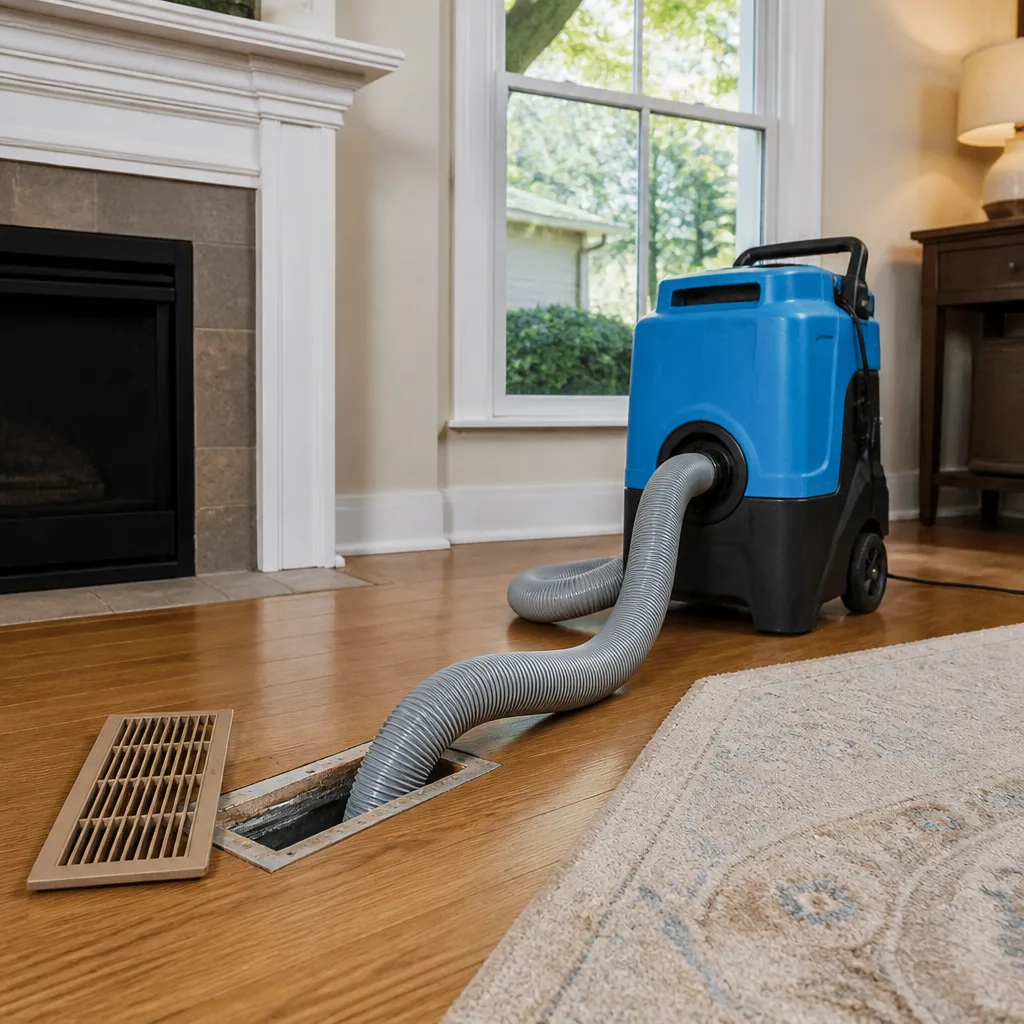
| Negative-pressure equipment time | Setting up and running a HEPA vacuum with the duct network under negative pressure so dislodged debris leaves the system instead of the ceiling | $90 – $160 |
| Access point cutting and patching | Cutting service openings where there are none, then sealing them airtight when finished | $25 – $60 per access point |
| Register boot cleaning | Removing and hand-cleaning each supply boot and return grille | $8 – $20 per register |
| Air handler cleaning | Cleaning the blower compartment and coil face area where debris collects | $80 – $180 |
| Post-inspection and photo documentation | Camera check of cleaned runs and before-and-after images of your own ducts | $0 – $75 |
Add those pieces up for a typical Broomfield home and you land in the $600 to $900 band. The equipment line matters most: running a Broomfield Air Duct Cleaning Pros job means a Nikro HEPA unit holding the whole network under negative pressure, plus Abatement Technologies containment gear to keep the room you’re standing in clean during the work. That time and equipment cost is real, and it’s the part a $149 quote leaves out.
Add-On Services Decoded
Add-ons are where pricing gets cloudy, because legitimate scope improvements and margin padding both live here. The test is simple: does this fix something cleaning can’t, or does it just add a line?
Duct sealing
Worth it when ducts leak, which is common in older Broomfield homes with flex runs or disconnected joints. Manual mastic sealing runs roughly $250 to $500 for accessible leaks. Aeroseal-style injection sealing, which seals from the inside, typically runs $800 to $1,500 depending on system size and leakage. Sealing is the add-on that most reliably pays back, because it stops conditioned air from leaking into unconditioned space before it reaches your rooms. Cleaning alone can’t fix a leak.
Antimicrobial / sanitizing treatment
Worth it when there’s microbial growth, mustiness, or a specific concern like recent water intrusion. A treatment run generally costs $100 to $250. On a clean, dry system with no odor, it’s optional. If a quote pushes sanitizing hard before anyone has even inspected the system, ask what it’s treating.
Dryer vent cleaning
Worth it as a fire-safety service, typically $120 to $200. Lint accumulation in the dryer vent is a genuine fire risk, and most duct-only companies skip it entirely. If we’re already at the house for air duct cleaning, adding the dryer vent cleaning is efficient because the equipment is set up.
UV light installation
Worth it in specific circumstances, generally $200 to $450 installed. UV treatment helps with certain surface-level microbial problems in the coil area. It doesn’t replace cleaning and it isn’t a cure-all. Ask how it’s being placed before agreeing to it.
How Your Broomfield Home Changes the Price
Two homes on the same street can land at very different prices. Broomfield’s housing stock ranges from ranch-style homes built in the 1960s and 70s to newer two-story builds on the east side, and each configuration changes the work.
- Home age: Older systems often have more disconnected joints, degraded duct tape, and settled debris that has had decades to compact. Expect more access points and more time.
- Duct material: Sheet metal cleans cleanly and quickly. Flexible duct is faster to run but harder to clean if it sags or has collapsed. Fiberboard duct requires gentler handling and often costs more time. All three appear in Broomfield homes.
- Single-zone vs. multi-zone: A single-zone system with one thermostat and one trunk is straightforward. A multi-zone system with dampers, separate trunks, and multiple air handlers roughly doubles the access and inspection work.
- Single-story vs. multi-story: A two-story with a full basement means more linear footage and more floor-to-floor access, which raises the access-point count.
- Accessibility: If a run is boxed in behind finished drywall or a low attic crawl, the labor rises. Where registers sit behind heavy furniture is a smaller factor but worth clearing beforehand.
The Front Range’s dry winters and variable spring pollen load also matter. In Broomfield, ducts can collect a notable amount of fine dust over a heating season, and homes with pets or carpeted rooms trend toward the higher end of the range simply because there’s more material to evacuate. Wind-driven dust off the open terrain along the northwest side of the city finds its way into return-air registers rather than out. That’s a real reason a Broomfield system can load up faster than the same house would in a moister climate.
What a Binding Written Quote Must Say
A quote you can hold a contractor to is specific, itemized, and signed. If any of the following is missing, treat the price as soft.
- Total price for the whole system, stated once, not per-vent and not “starting at.”
- Linear footage or register count included, so you both know the scope.
- Number of access points cut and patched, and who patches them.
- Whether the air handler, plenum, and return trunks are included or extra.
- Equipment named (for us, that’s Rotobrush contact tooling, Nikro HEPA vacuum, Abatement Technologies containment).
- Add-ons listed separately with their own prices, so you can decline them and still see the core number.
- Before-and-after photo documentation included in the scope, not offered as a favor.
- What happens if extra debris or a hidden leak is found, and whether that changes the price. It shouldn’t after work begins.
When a written estimate includes all eight, you can compare it directly to another quote. When it doesn’t, ask for an updated version before you book. That document is your leverage.
Why Equipment Choice Shows Up in the Price
The cheapest quotes and the highest quotes usually differ first on equipment, and that difference is legitimate. A hand-held vacuum and a spinning brush can move debris around, but it redistributes more than it removes unless the network is under negative pressure.
Professional-grade setups solve that. The Rotobrush system contact-cleans every interior duct surface with a rotating brush head and a vacuum at the end of the run, rather than blasting compressed air and hoping. The Nikro HEPA unit pulls the whole network negative, so dislodged material goes into a filter instead of back into your living room. Abatement Technologies containment gear keeps the room clean while work is happening. That combination is the reason a genuinely thorough job sits in the $600 to $900 band while a “cleaning” that skips source removal and negative pressure fits under $300.
Honeywell and Aprilaire product lines are the other equipment story, and they’re relevant here because they upgrade what’s already in the house rather than just clean it. If a system could benefit from better filtration or humidity control after cleaning, those products are a way to build the improvement into the same engagement. We also handle HVAC cleaning as part of the same visit, since the air handler and coil face collect much of what the ducts carry, and leaving them dirty undoes the cleaning you just paid for. Our technicians have up to 10 years of experience with these systems.
How to Compare Two Quotes Side by Side
Get both quotes in writing. Then run them through this comparison.
- Match scope first, price second. If one includes the air handler and the other doesn’t, the numbers aren’t comparable until the missing scope is priced.
- Check the register count. A quote covering six registers isn’t the same job as one covering fourteen, even at the same total.
- Confirm access points are itemized. A quote with no access-point line often assumes the tech will use existing openings, which may be too few to reach the ends of runs.
- Ask about containment and negative pressure. If nobody mentions a HEPA vacuum, ask how debris gets captured. The answer tells you a lot.
- Ask what the post-inspection looks like. Before-and-after photos of your own ducts are the fastest way to verify work was done.
- Confirm the price holds after inspection. The final price should be set by the written estimate, not adjusted on-site unless you asked for additional scope.
When you run two quotes through this, the low one usually stops looking low. The high one usually stops looking high. And the price that lands in the middle, with the whole scope spelled out, is the honest one.
Common Mistakes to Avoid
- Booking on the advertised price without asking scope. A $149 promotion almost never covers the whole system. Ask what the price includes before you commit.
- Choosing per-vent pricing on a complicated system. Per-vent works on simple homes and quietly underdelivers on anything with multiple zones or a finished basement.
- Accepting a quote without a written scope. A verbal number is not a quote. If it isn’t in writing, you can’t hold anyone to it.
- Paying extra for sanitizing on a clean, dry system. Sanitizing treats a problem. If nobody has inspected the system, ask what the treatment is for before it’s added.
- Skipping the dryer vent. Dryer vent lint is a fire risk that duct-only contractors often ignore. Ask to have it cleaned at the same visit.
- Cleaning without checking for leaks. A leaky duct system gives back part of what you just paid to clean. Sealing is often the difference between a job that pays back and one that doesn’t.
- Not asking for photos. Before-and-after images of your own ducts are your proof the work happened where it should have. Ask for them before the technician leaves.
If a quote ticks any of these boxes the wrong way, ask before you book. A confident contractor welcomes the questions.
When to Call a Professional
It’s time to call when the symptoms point to the duct system rather than the thermostat. That means visible dust blowing out of registers right after a filter change, musty odors from supply vents, allergy or asthma symptoms that worsen indoors, rooms that never heat or cool evenly, or a system that’s been running for years without a duct cleaning. Visible mold or pest activity inside the ductwork is a hard stop: call before using the system further. If a dryer is taking longer to dry clothes or the outside vent flap doesn’t move, that’s a dryer vent signal worth acting on. Broomfield Air Duct Cleaning Pros offers free estimates in Broomfield, and we set one flat price per system before work starts – call (877) 792-6623. We answer 24/7. Fast dispatch, 7am-7pm, Sunday through Friday.
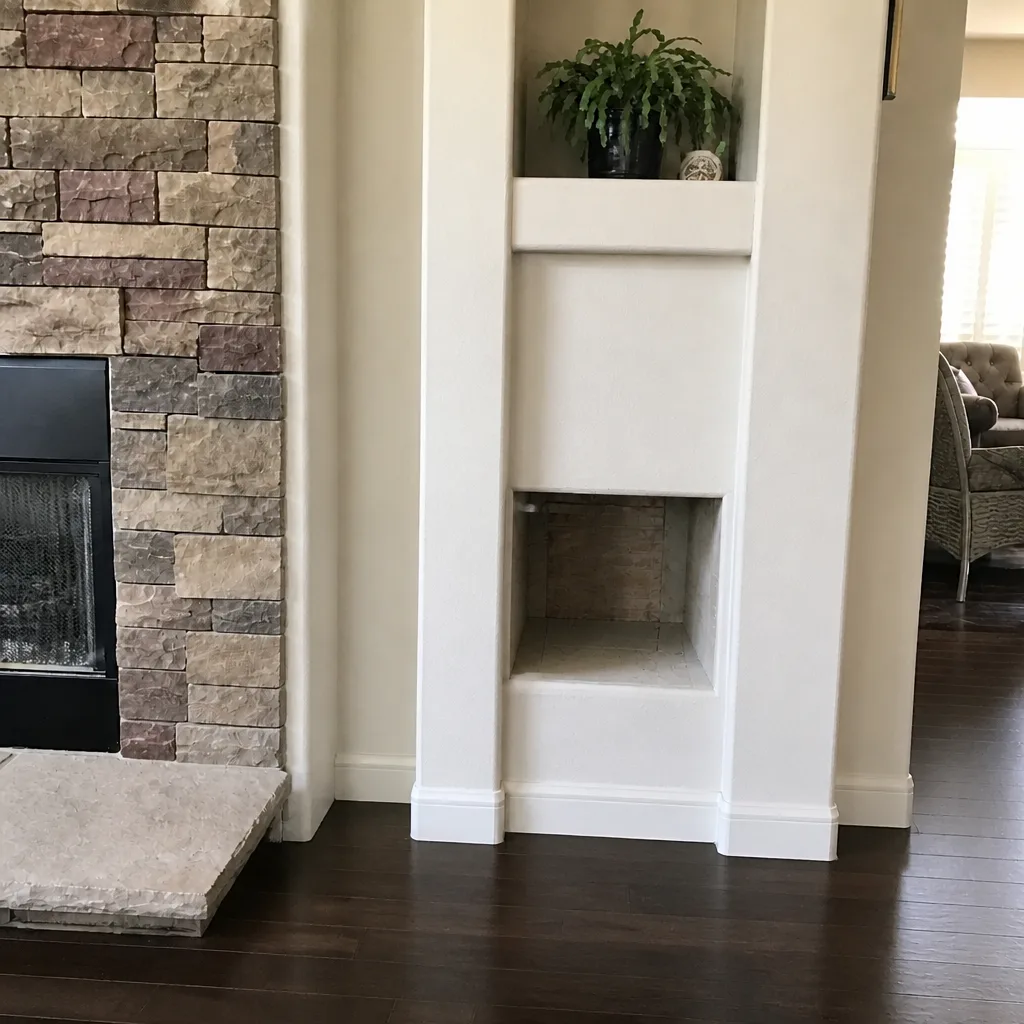
See the difference
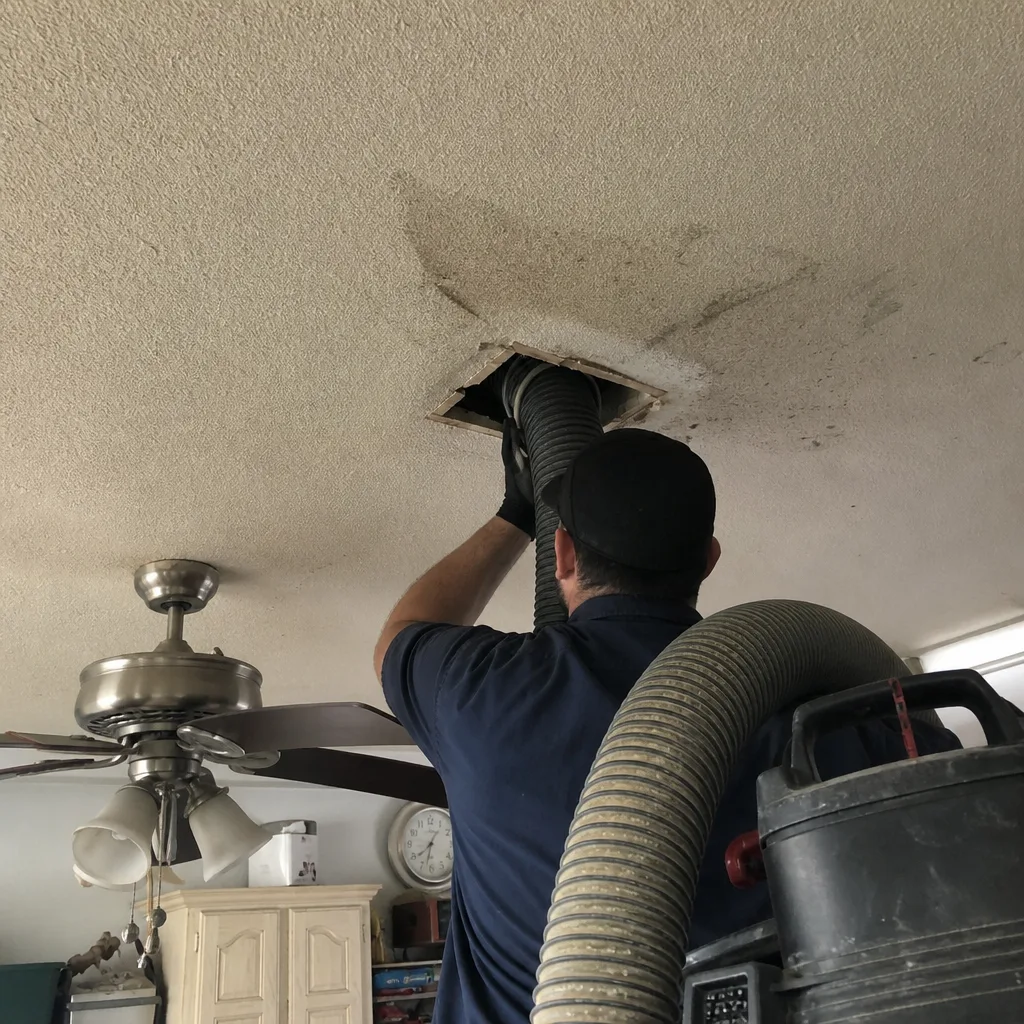 Before
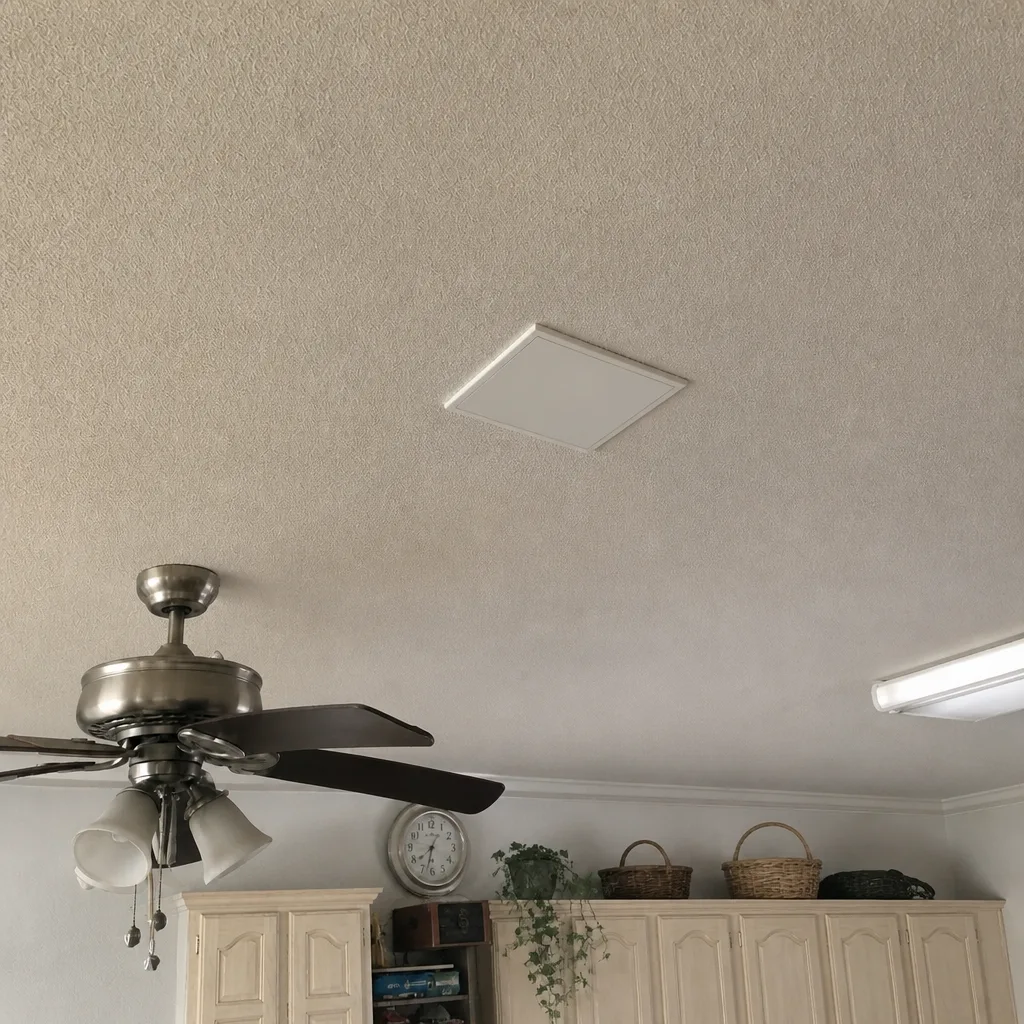 After
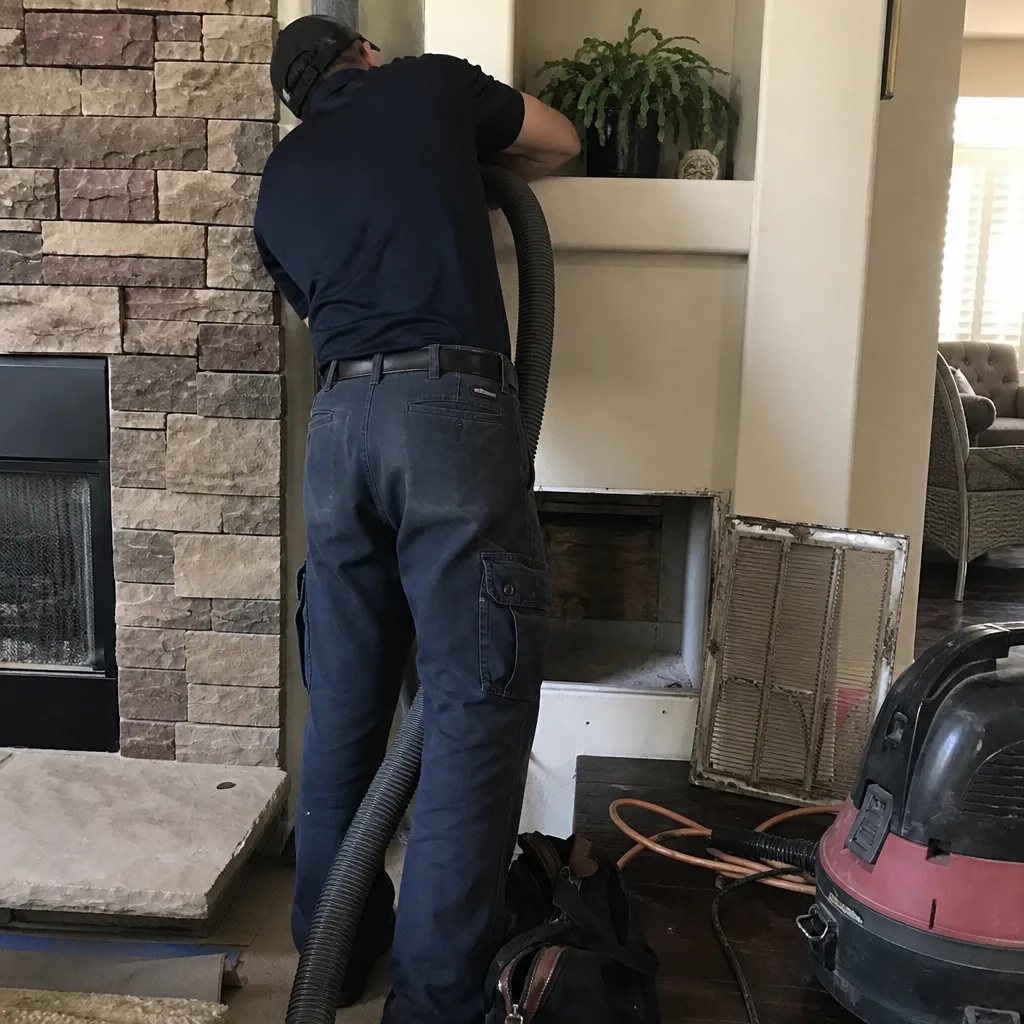 Before
 After
 Before
 After
Frequently Asked Questions
A full-service source-removal cleaning for a typical Broomfield home runs about $600 to $900 in 2026, and the written estimate sets the final price. Bare-minimum work starts near $149 to $299 but usually skips the equipment and scope that make a cleaning effective. Call (877) 792-6623 for an exact quote – estimates are free.
Cheap quotes usually cover less: no negative-pressure HEPA vacuum, no access-point cutting, no air handler cleaning, and a register count that stops well short of the whole system. They aren’t fraud every time, but they don’t measure the same job. Match the scope, then compare the price. Call (877) 792-6623 to talk through what your system actually needs.
Ask for before-and-after photos of your own ducts and a post-cleaning camera check of the cleaned runs. Photos of your registers, boots, and trunk lines, not stock images, are the proof that matters. Call (877) 792-6623 to schedule an estimate.
For most homes, every three to five years is a reasonable baseline. Homes with pets, recent renovation dust, allergy-sensitive occupants, or long heating seasons may need it more often. Broomfield’s dry, dusty climate can load a system faster than you’d expect, so inspect on the shorter end if your registers are visibly dusty after a filter change.
It pays back when ducts actually leak, which older Broomfield homes frequently do at joints and flex connections. Cleaning without sealing leaves leak paths open. Ask the technician to check for disconnected joints before quoting sealing, and skip it if nothing’s leaking. Call (877) 792-6623 for an inspection alongside your estimate.
Whole-system pricing is more transparent for nearly every home, because it covers the full network from intake to register rather than just the accessible vents. Per-vent only works out well for a simple single-story system with easy access. Call (877) 792-6623 and we’ll tell you which model fits your house.
The Bottom Line
The difference between a $149 quote and an $800 one is scope, not scam. Source-removal labor, negative-pressure HEPA equipment time, access cutting and patching, boot and air handler cleaning, and a post-inspection all cost real money, and a legitimate Broomfield job prices them honestly. Whole-system pricing beats per-vent pricing for most homes. Sealing and dryer vent cleaning are usually worth it; heavily pushed sanitizing on a clean system usually isn’t. Everything comes down to the written scope. Get it in writing, match scope against scope when comparing, and insist the estimate sets the final price. Duct cleaning done with professional-grade equipment from Rotobrush, Nikro, and Abatement Technologies costs more for a reason, and the reason is what shows up when you check the ducts afterward.
Ready to Get a Real Number?
The only price that matters is the one for your house. We’ll inspect the system, work up a written estimate with every line item spelled out, and hold to one flat price per system before any work begins. You’ll get before-and-after photos of your own ducts and a job done from intake to register with the same equipment commercial contractors trust. Call (877) 792-6623 for a free estimate. We answer 24/7. Fast dispatch from 7am to 7pm, Sunday through Friday.
Written by the team at Broomfield Air Duct Cleaning Pros.