
Last updated November 25, 2026
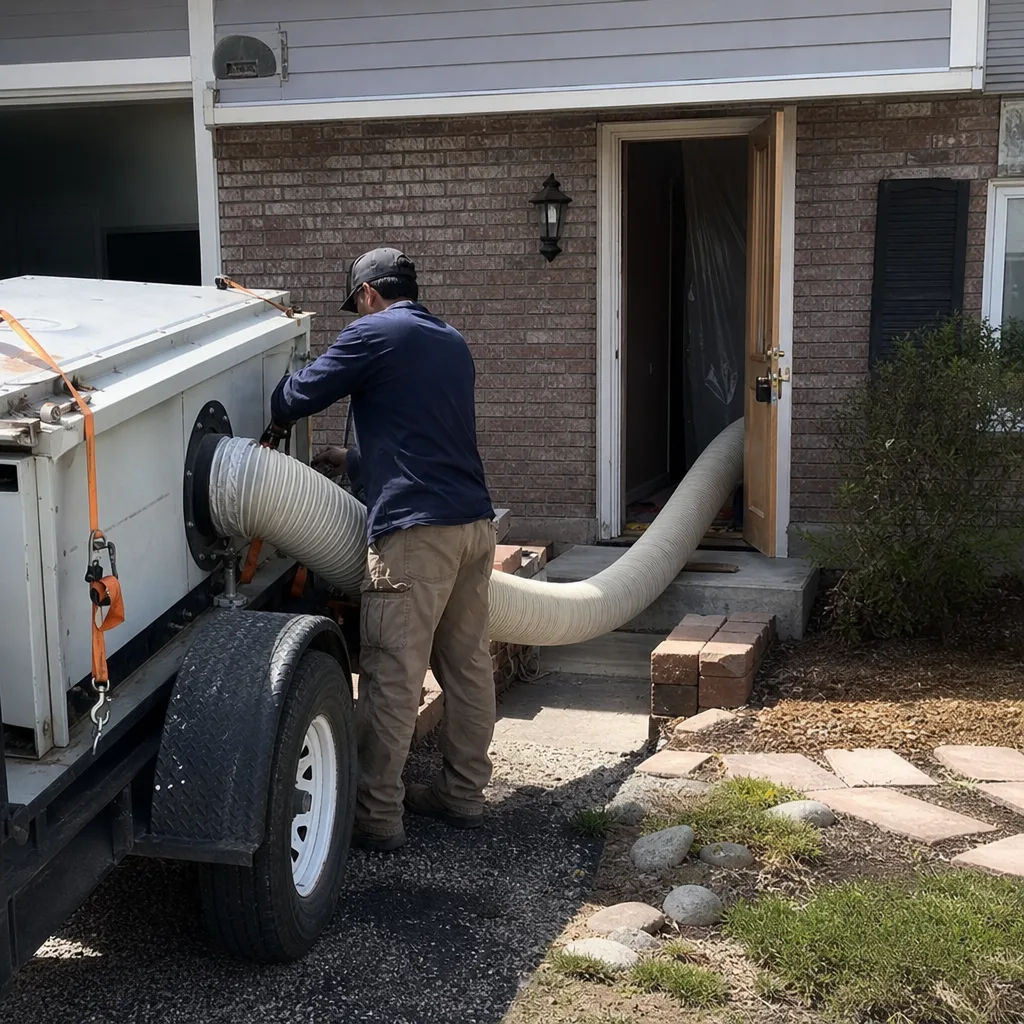
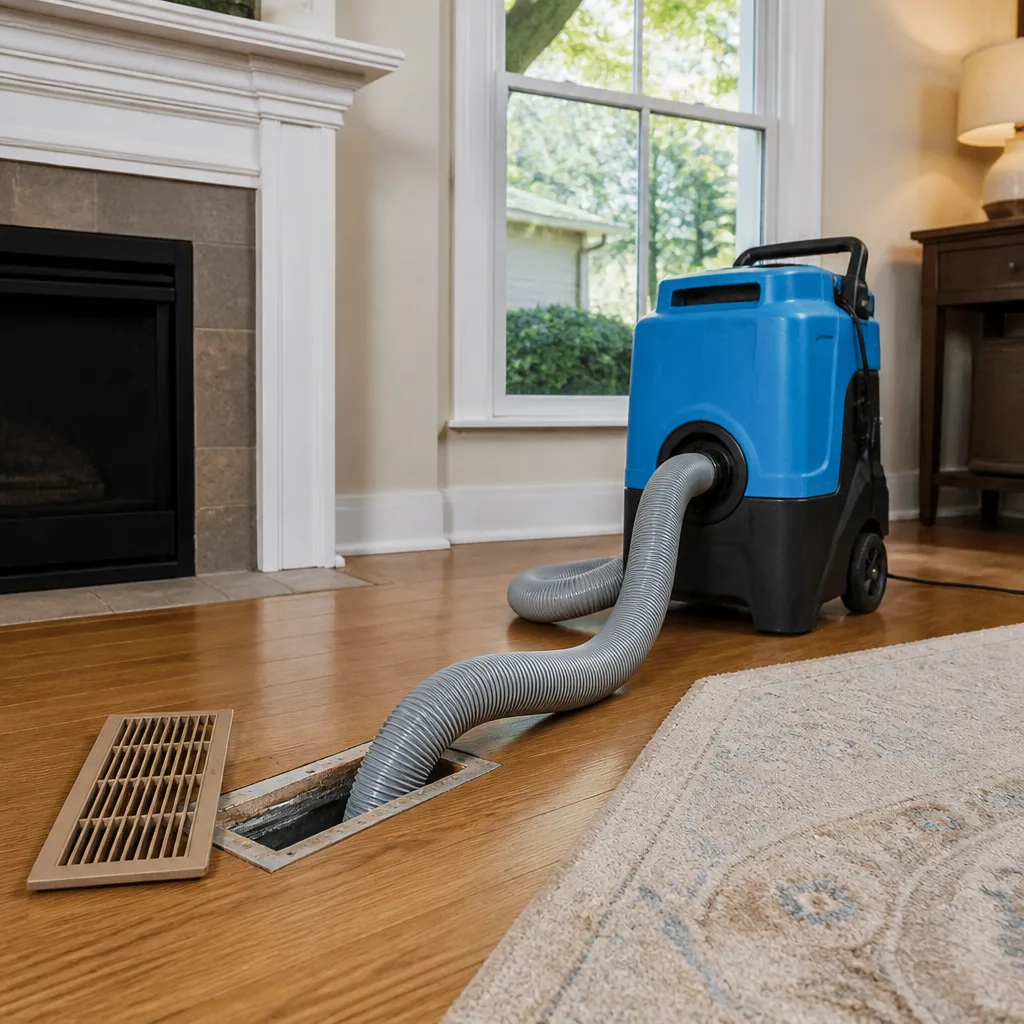 Whole-home duct cleaning
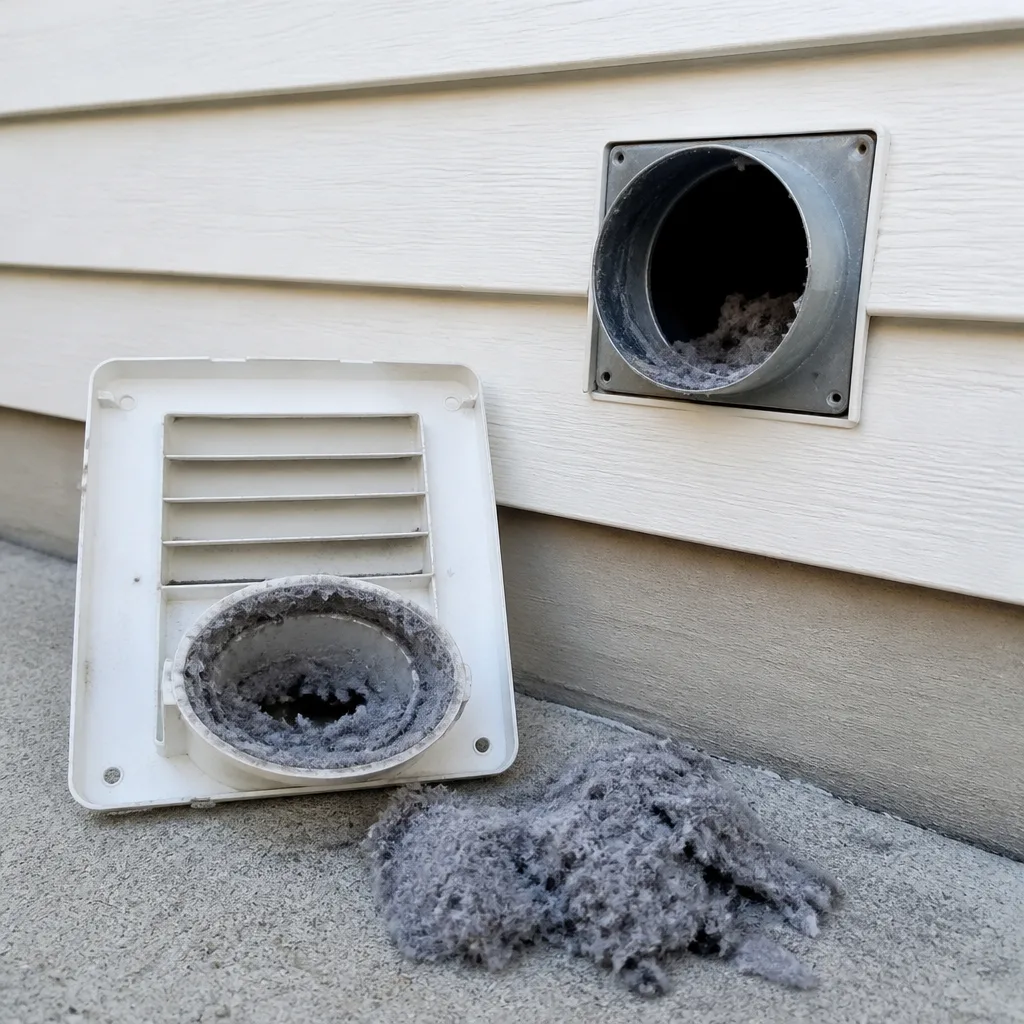 Dryer vent cleaning
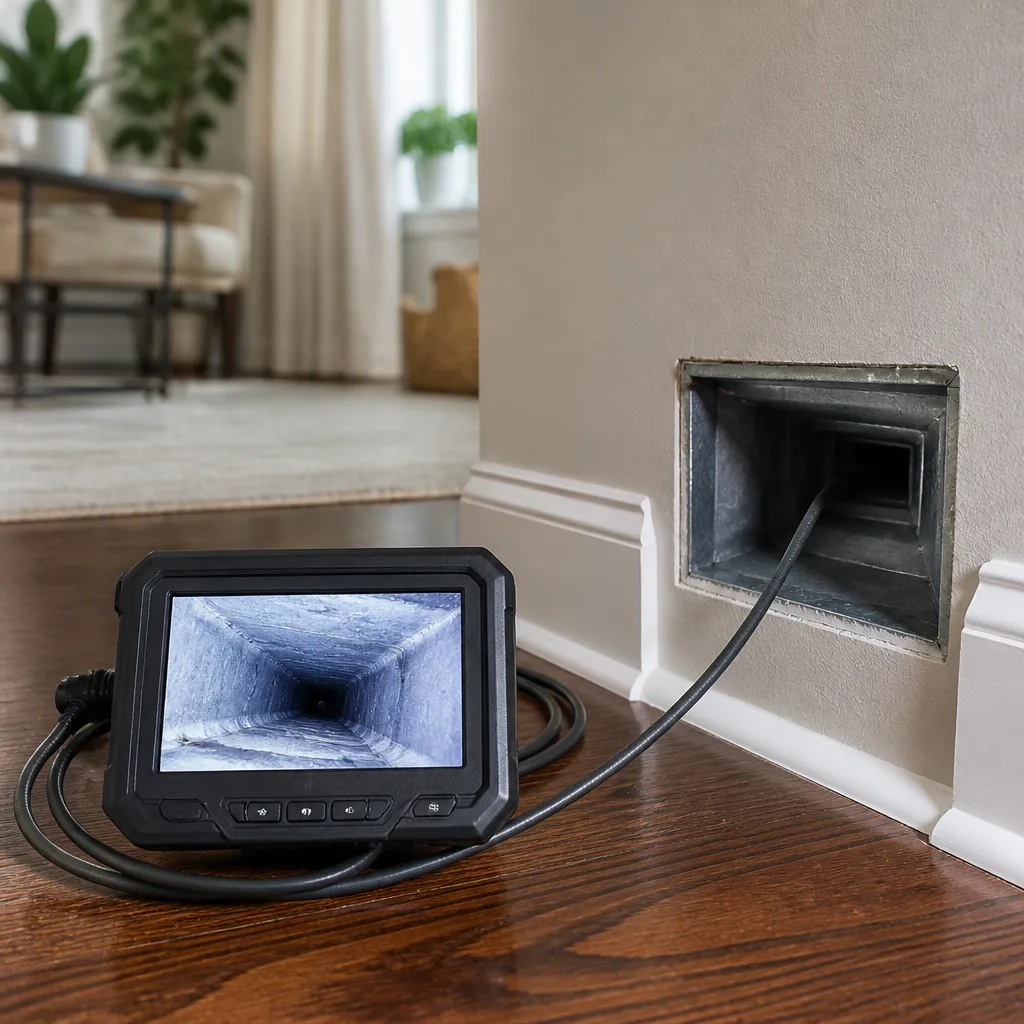 Camera inspection
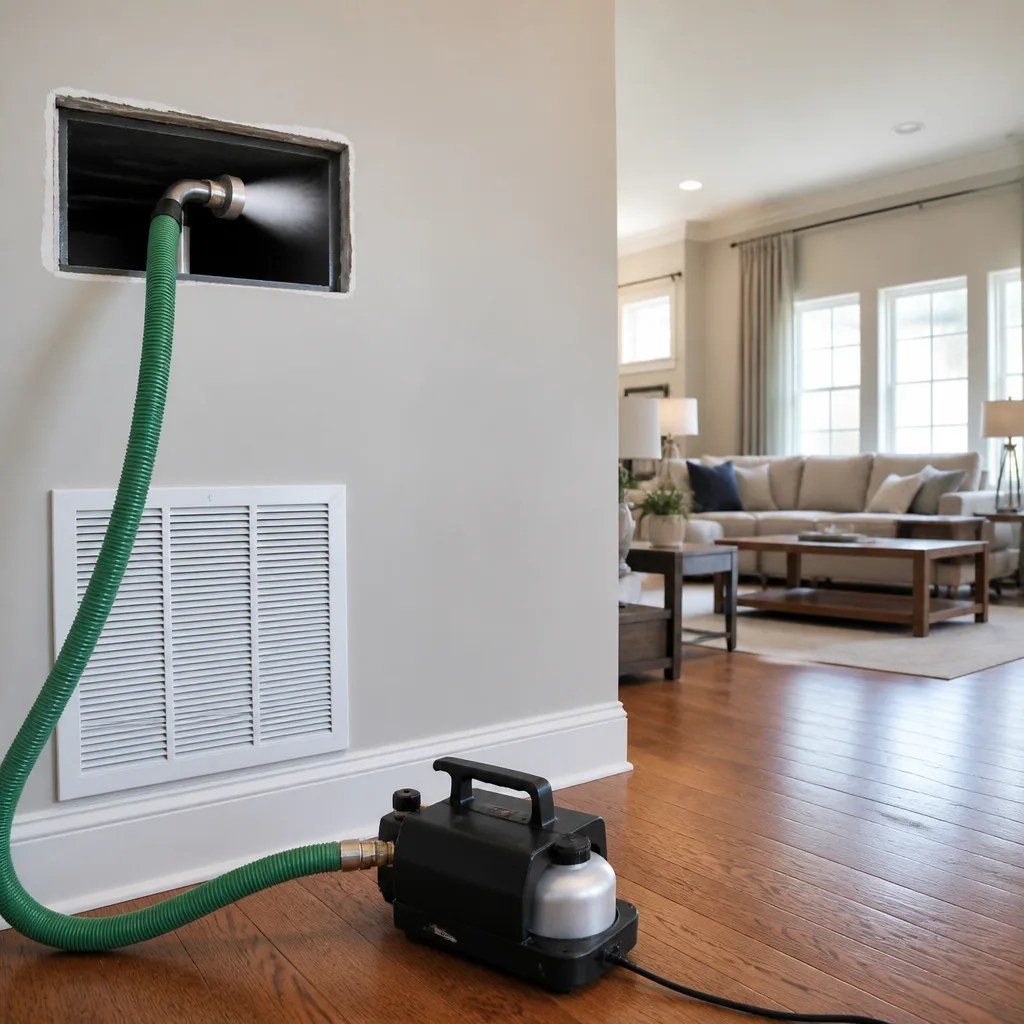 Sanitizing & deodorizing
Whole-system duct and dryer vent check with before-and-after photos - you see exactly what came out of your vents
That "$99 whole-house special" is a bait ad - the real number appears once they are in your hallway, or the "clean" is a shop-vac at the register. We photograph the inside of your ducts before and after instead.
Air Duct Cleaning Troubleshooting in Broomfield: Common Problems and How to Fix Them
If your vents are still blowing weak after a recent cleaning, the ducts probably weren’t the problem. A disconnected trunk line, a crushed flex run, or a joint that blew apart behind a wall will starve airflow no matter how thoroughly a brush went through the system. We’ve seen plenty of Broomfield homeowners pay for a cleaning, feel no difference, and conclude that duct cleaning doesn’t work. That conclusion is usually wrong. What’s wrong is the diagnosis. This guide walks you through a systematic way to figure out what’s actually happening inside your duct system before you spend money on anything, cleaning or otherwise.
Quick Answer
Most air duct problems in Broomfield trace back to one of four causes: leakage at joints and connections, crushed or disconnected flex duct, a dirty blower or evaporator coil restricting the whole system, or pressure imbalance between supply and return. Cleaning fixes the fourth only when dirt is the actual cause. A hands-on check of airflow at your registers, plus a look at the duct runs you can see, will tell you which of the four you’re dealing with. If airflow is weak in some rooms but strong in others, it’s almost never a cleaning problem.
Styles & brands we work with
- Whole-home duct cleaning
- Dryer vent cleaning
- Camera inspection
- Sanitizing & deodorizing
Table of Contents
- Symptom-to-Cause Matrix: What Your Ducts Are Telling You
- The Tissue-and-Hand Pressure Check
- Cleaning Problem or Sealing Problem?
- Broomfield Factors That Change the Diagnosis
- When to Get a Camera Inspection First
- Dryer Vent Troubleshooting: A Separate System, a Separate Risk
- When to Call a Professional
- Frequently Asked Questions
Symptom-to-Cause Matrix: What Your Ducts Are Telling You
Symptoms get misread constantly. Musty odor gets called “dirty ducts” when it’s often moisture sitting in a pan or on a coil. Uneven temperatures get blamed on duct dirt when the real cause is a damper stuck shut or a run that was never balanced. Here’s how the common complaints map to mechanical causes.
- Weak airflow at every register. Usually a dirty blower wheel, a clogged filter, a failing blower motor, or a return that’s too small. When the whole house is weak, the problem is upstream of the branch ducts.
- Weak airflow in one or two rooms. Almost always a branch-level fault: a crushed flex run, a disconnected boot at the register, a closed damper, or a duct that came apart at a joint.
- Musty or sour odor when the system runs. Moisture. Look at the condensate pan, the drain line, and the evaporator coil. Standing water in a dark plenum grows things, and no amount of duct brushing fixes a wet coil.
- Visible debris puffing from a register on startup. This one points to actual loose debris in the branch serving that register, often from a nearby return pulling in construction dust or attic insulation.
- Higher energy bills with no change in comfort. Leakage. Cold air from the supply side escaping into an attic or crawl space means the system runs longer to deliver the same comfort.
- Dust settling quickly on surfaces after cleaning. Leaky returns pulling air from unconditioned space, or a filtration setup that’s under-matched to the house.
Work through this list honestly before you call anyone. If your symptom is in the “one or two rooms” category, you’re looking at a duct repair question, not a cleaning question. If it’s the “every register” category, start with the filter and the blower. That’s the logical order, and it’s the order a good technician will follow on site. Our air duct cleaning work starts with the same mapping exercise, because cleaning the wrong part of the system wastes your money.
The Tissue-and-Hand Pressure Check
You can learn a surprising amount about your duct system with a single square of tissue and your palm. This isn’t a substitute for a technician’s airflow meter, but it will tell you whether the problem is system-wide or isolated to specific runs. Do it with the system running and the filter fresh.
- Hold the tissue flat against a supply register grille. It should pull tight and flutter steadily. If it hangs limp, airflow at that register is weak or worse.
- Do this at every supply register in the house. Write down which ones pull strong, which pull weak, and which pull nothing at all.
- Hold the tissue against a return grille. A healthy return should pull the tissue into the grille with obvious force. Weak return pull means a restriction between the return and the blower.
- Run your hand along the seams of any exposed duct in the garage, basement, or attic. A leak at a joint or connection has a specific feel: a cool, steady stream of air escaping where two pieces meet.
- Check the filter and blower access panel. A clogged filter or a blower wheel caked with dust will produce weak airflow everywhere, and it’s the most common cause we find in Broomfield.
Read the pattern. Weak everywhere means a system-level restriction. Weak in a cluster of rooms means a trunk or branch fault. Strong at the register but the room still feels stuffy means the duct is delivering air but leaking it elsewhere on the way. That last pattern is the one that almost always ends in duct repair and sealing rather than cleaning.
Cleaning Problem or Sealing Problem?
This distinction decides how you spend your money, and it’s the one most homeowners never hear explained. Cleaning removes accumulated debris from the interior surfaces of the duct system. It’s the right fix when the problem is dirt. Sealing closes gaps between duct sections, at connections to boots and plenums, and at seams that have opened up. It’s the right fix when the problem is air escaping where it shouldn’t.
The two problems produce different symptoms. Dirty ducts tend to produce dust, odor, and allergy-type complaints. Leaky ducts produce energy waste, uneven temperatures, and rooms that never quite reach the thermostat setpoint. In practice, many systems in Broomfield have both, and doing the cleaning without addressing the leaks means the house gets the same air but still pays for air it isn’t getting.
The fix for leaks is mechanical: mastic or foil-tape sealing at accessible joints, and for the runs hidden inside wall chases or ceiling cavities, a spray-on sealant applied from inside the duct system. That last method is why we carry sealing capability alongside our HVAC cleaning work. Cleaning surfaces and closing leaks in the same engagement is the only way to know the airflow numbers you measure afterward mean something. Clean ducts are the start. Sealed, repaired ducts are the finish.
One caution. Duct sealing work involves access to the plenum area near the air handler, and that’s where electrical connections, condensation lines, and sometimes gas piping live. Duct runs in attics can also sit on top of insulation with no solid walking surface. If you can’t safely open a panel and see exactly what you’re sealing, don’t reach into it. That’s a job for someone with the right equipment and the right training.
Broomfield Factors That Change the Diagnosis
Duct troubleshooting isn’t the same everywhere, and Broomfield’s specific conditions make a few problems more likely than they’d be in a coastal or low-elevation market.
Dry air and rapid temperature swings. The Front Range climate puts duct systems through wide daily and seasonal temperature swings. Flex duct, boots, and sealant joints all expand and contract with that cycling. Over enough seasons, sealant at a plenum connection can crack and pull apart. The result is a leak that opens up gradually, which is why some homeowners notice their bills climbing without ever noticing a change in airflow.
Slab-on-grade construction hiding duct runs. Many Broomfield homes have runs buried in the slab or routed through chases you can’t see. A crushed or disconnected run in that configuration shows up as one or two dead rooms and nothing else. There’s no seam to inspect and no run to look at because it’s under the floor. Camera inspection is the only honest way to find it, which is why we treat it as a diagnostic step, not a sales step.
Rapid new construction and renovation dust. Broomfield and the surrounding communities have seen ongoing building activity, and drywall dust is fine enough to travel through an entire duct system and settle on every surface. If a home has had recent renovation, a system full of construction debris is a real possibility and worth a focused cleaning rather than a routine one.
Attic and crawl space duct runs. Where a home has flexible duct in an unconditioned attic, that duct takes the full brunt of the temperature swings. Flex duct that sags or gets compressed by stored items loses capacity fast, and a single crushed run can steal airflow from every other register on its trunk. If your dryer vent cleaning technician is already up there, it’s worth having them look at the visible duct runs while they’re in the attic.
Neighborhoods from Anthem to Interlocken to the older sections near the Broomfield Heights area all sit in the same general climate, but the housing stock differs enough that the diagnosis will too. Older homes tend toward metal duct with joint leaks. Newer construction tends toward flex runs where installation quality matters most.
When to Get a Camera Inspection First
A camera inspection is a diagnostic tool. Before any cleaning quote makes sense, a technician should have a reason to believe cleaning is the right fix. In our experience, a camera-and-airflow inspection needs to come before a cleaning quote in these cases:
- One or more rooms have no airflow while the rest of the house is fine.
- You’ve already had the system cleaned and the symptoms returned quickly or never improved.
- The home has had significant renovation, and construction dust may be distributed deep in the system.
- You’re seeing evidence of pests, moisture, or debris in the ducting.
- The house is slab-on-grade or has long hidden duct runs.
- You’re a property manager who needs documented findings before authorizing work on a rental unit.
An inspection should show you what the camera sees. If a technician can’t or won’t show you the picture or explain the airflow reading, treat that as a signal about the work. Professional-grade equipment matters here: we run Rotobrush contact cleaning on every interior duct surface and Abatement Technologies containment during service, and neither of those makes up for a missing diagnosis. The tool is only as good as the inspection in front of it. Air you can measure is the whole point.
Dryer Vent Troubleshooting: A Separate System, a Separate Risk
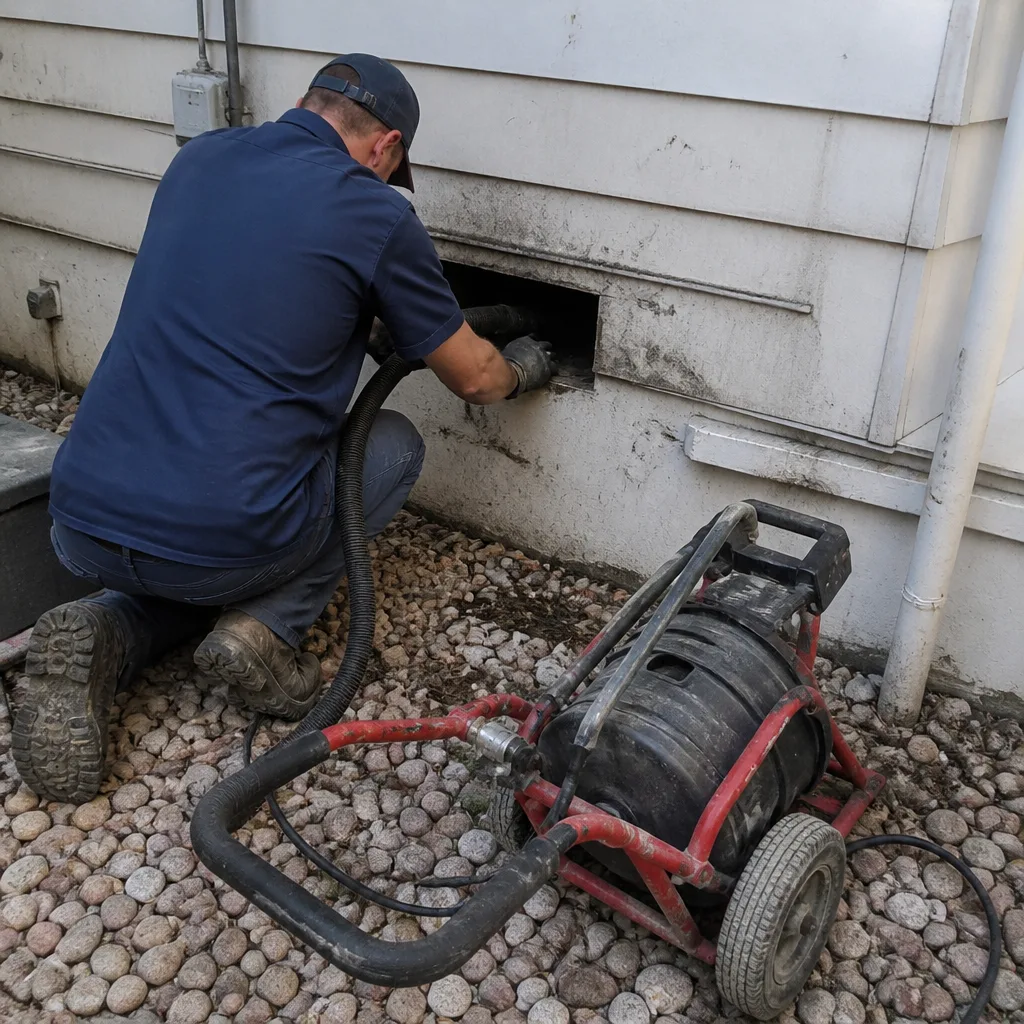
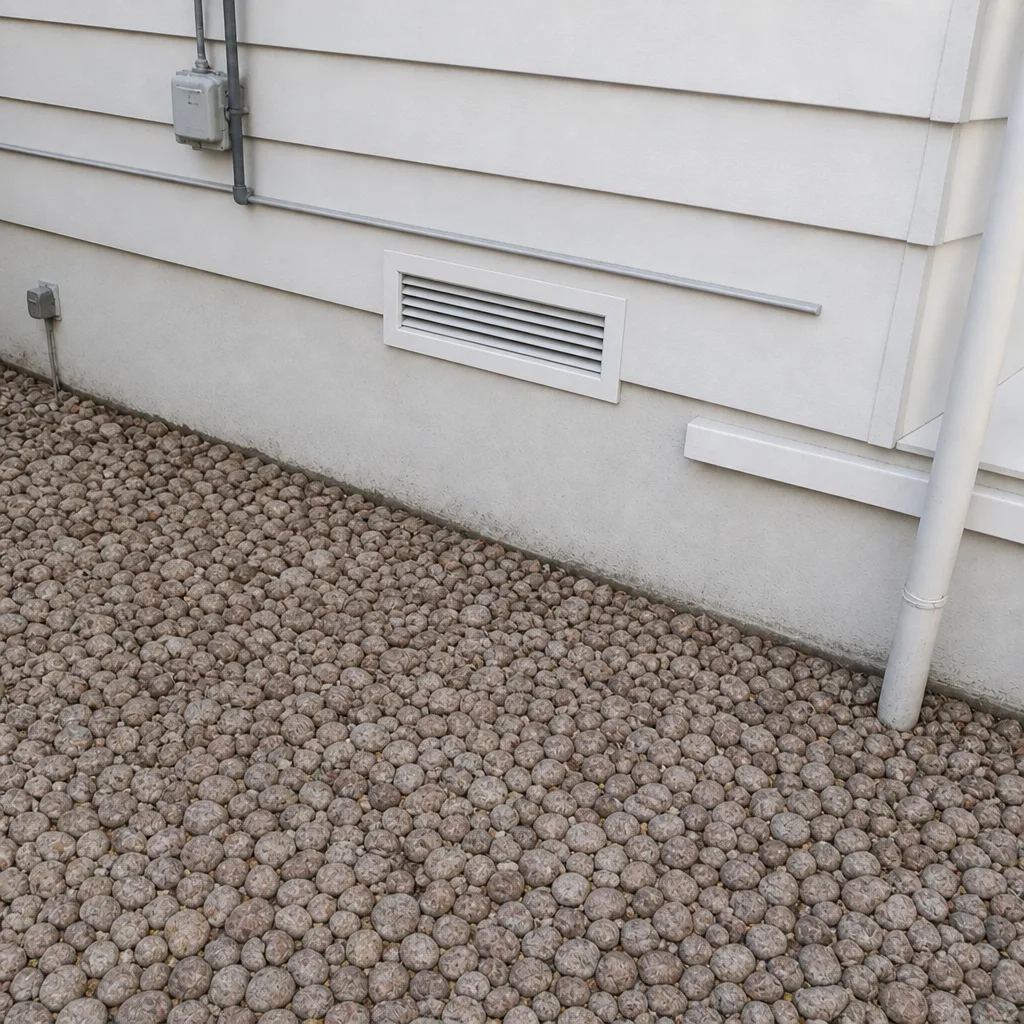
Dryer vent problems get folded into the duct conversation, but they’re a different system with a different failure mode. A clogged dryer vent reduces airflow out of the dryer, which raises dryer temps, lengthens dry times, and creates lint buildup near the vent. That’s a fire concern, and it’s the reason dryer vent cleaning is a service worth scheduling on its own rather than as an afterthought.
Two symptoms tell you it’s time. The first is drying time. If a normal load starts to take two cycles to dry, the vent is restricted. The second is heat. A dryer that’s hot to the touch on the top, or a laundry room that feels humid after a cycle, means the vent isn’t moving air. Check the exterior termination for a stuck flapper (the hinged cover on the outside of the vent), and check the flexible connector behind the dryer for a kink or crush. If you find a flexible foil or plastic connector that’s been crushed or that’s blowing lint into the room, stop using the dryer until it’s fixed. This one’s not a wait-and-see.
The most common Broomfield dryer vent issue we find is a run that’s longer than the equipment is designed for, with two or three elbows instead of one. Each bend costs airflow. If your vent run is long and windy, have it checked rather than waiting for a problem to make itself obvious. If it’s short and straight and the lint trap is clear, routine cleaning is enough.
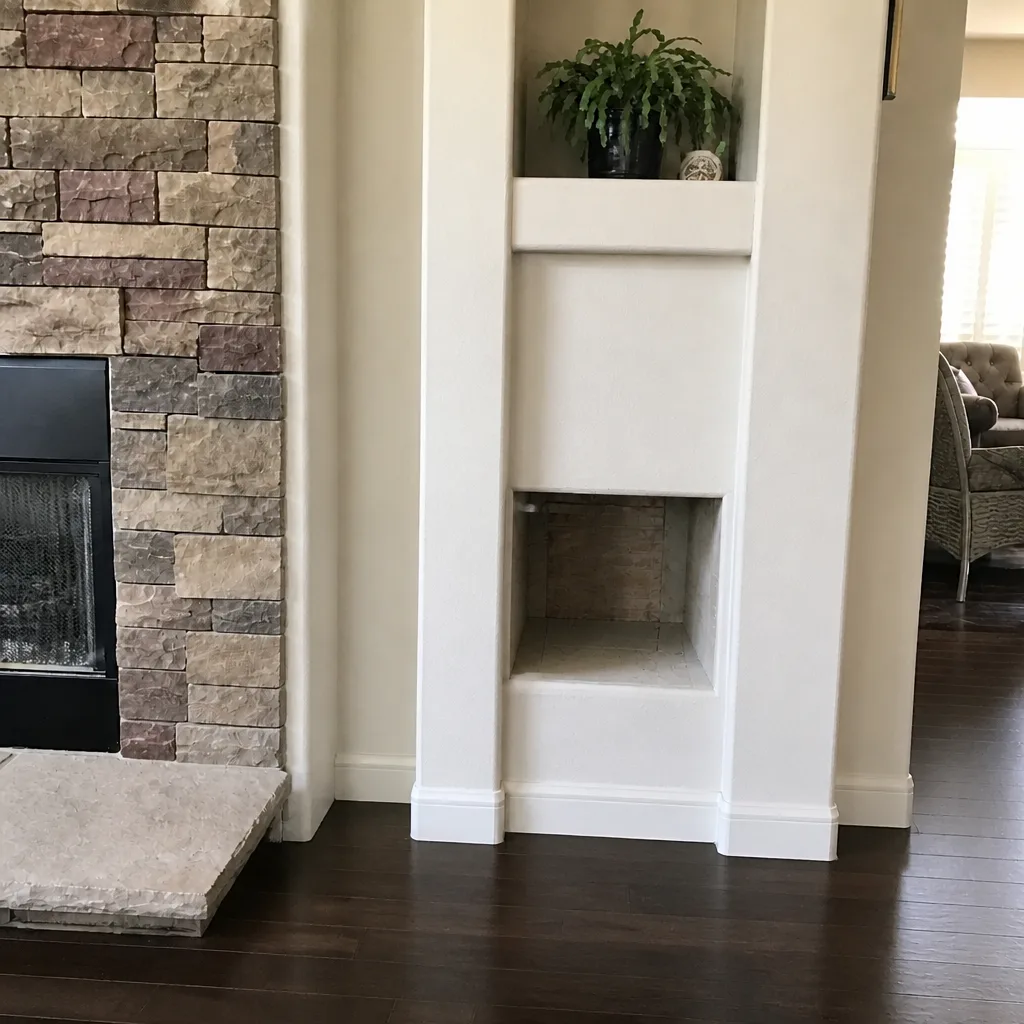
See the difference
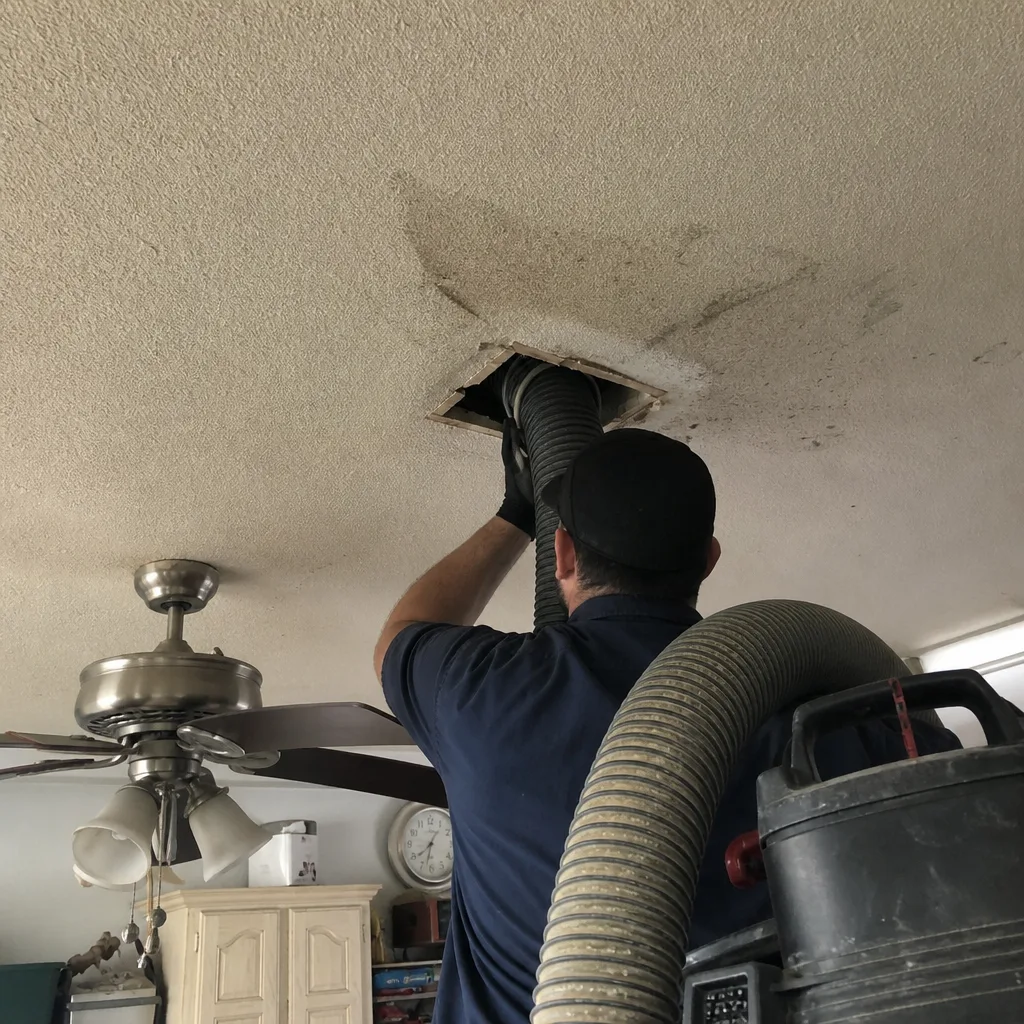 Before
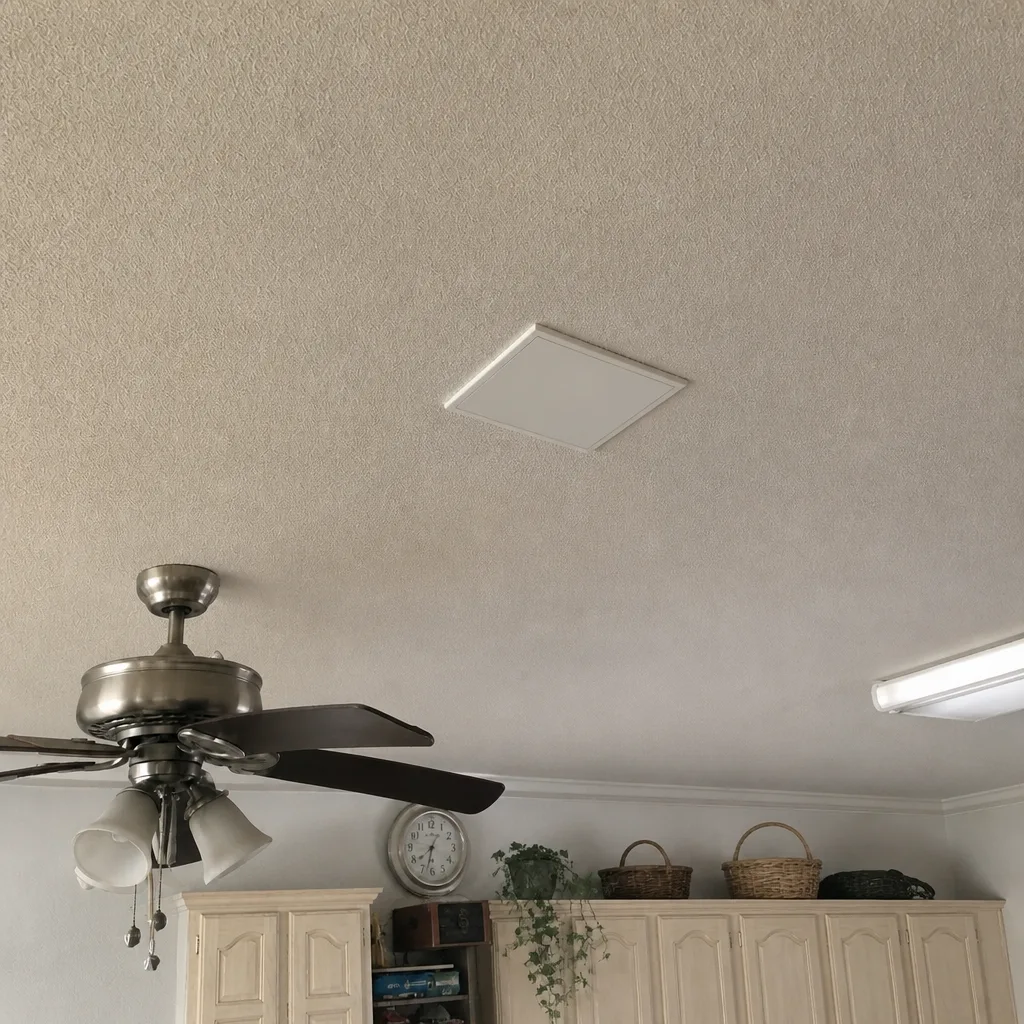 After
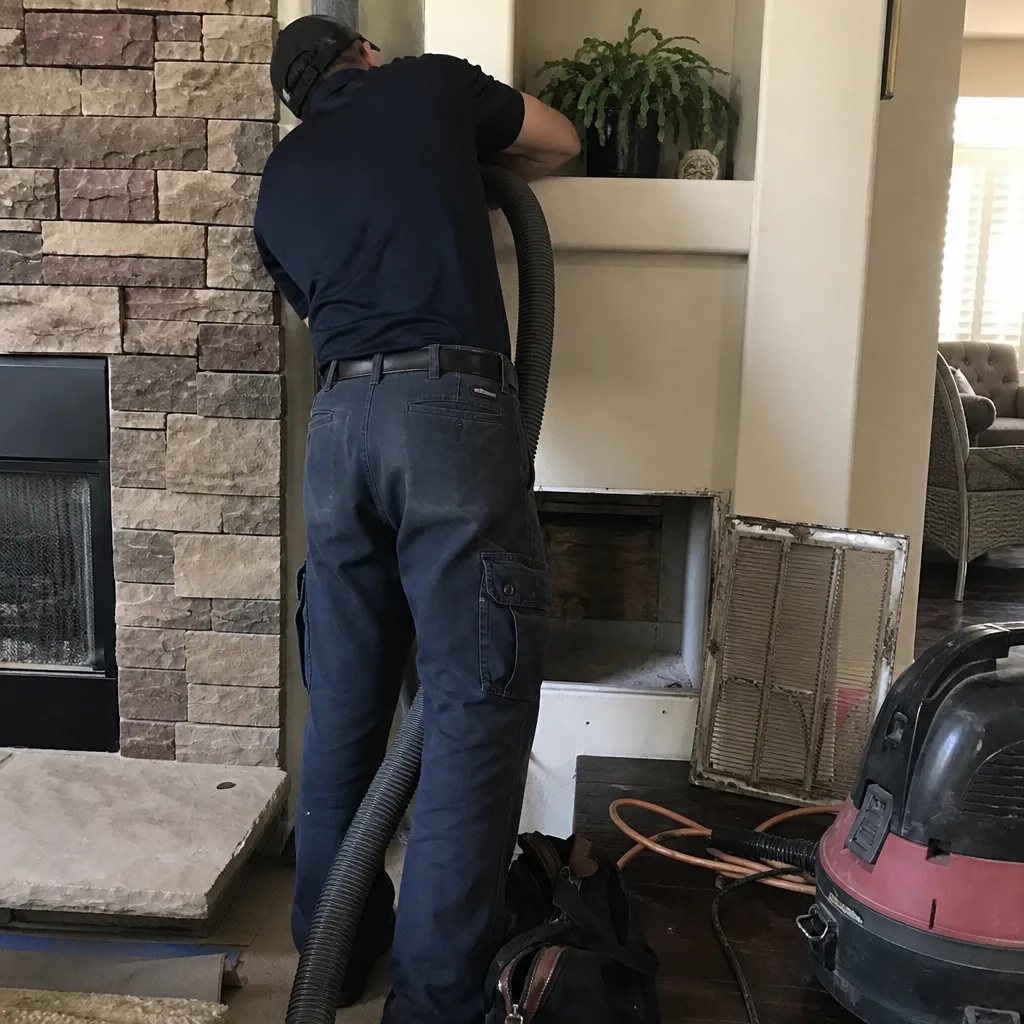 Before
 After
 Before
 After
Common Mistakes to Avoid
- Buying a cleaning when you need a repair. If one room has no airflow, cleaning the whole system won’t fix it. Paying for the cleaning and then discovering the crushed run is expensive and frustrating.
- Ignoring the filter and blower first. Weak airflow everywhere often traces to a clogged filter or a dirty blower wheel. Check those before any other diagnostic step.
- Assuming a “whole house” quote is an inspection. A price without a diagnosis is a guess. Ask what the technician looked at and what they measured.
- Leaving flex duct compressed behind furniture or stored items. A single crushed flex run can starve a trunk. Check for this if a room seems colder than it should be.
- Skipping the dryer vent because it’s not part of the duct system. It’s a separate system with its own risk. Treating it like a minor add-on is a mistake.
- Sealing ducts without checking the blower and filter first. Sealing a system that’s starved at the filter just makes the restriction worse. Order matters.
- Using consumer-grade shop vacuums as a standard. A shop vac doesn’t have the air containment a real cleaning job requires, and it can redistribute debris into the home. Professional equipment isn’t a marketing detail here; it’s the reason the work is safe.
When to Call a Professional
Some duct problems are yours to check, and some aren’t. Call a professional when the symptom is system-wide and you’ve already replaced the filter; when a room has no airflow at all; when you can hear air rushing at a seam in the garage or attic; when you smell a musty odor that doesn’t clear after a filter change; when the dryer is taking two cycles to dry a load and the outside vent looks clear; when you’re a property manager working through a documented complaint from a tenant; or when you’ve already paid for a cleaning and the problem came back. Broomfield Air Duct Cleaning Pros offers free estimates in Broomfield. Call (877) 792-6623. We answer 24/7. Fast dispatch from 7am to 7pm, Sunday through Friday. If you call outside dispatch hours, a call outside dispatch hours is booked into the next opening, Sunday through Friday, 7am to 7pm.
Frequently Asked Questions
Because the cleaning probably wasn’t the problem. Weak airflow after cleaning usually points to a crushed or disconnected flex run, a leaking trunk joint, a dirty blower wheel, or a filter restriction that wasn’t addressed. A camera inspection plus an airflow reading will tell you which one. Call (877) 792-6623 for an exact quote on a diagnostic visit. Estimates are free.
Cleaning is the fix for dirt, odor, and debris. Sealing is the fix for energy waste, uneven temperatures, and leaks at joints. The tissue check in this guide will tell you a lot. If airflow at every register is strong but the house is still uneven, think sealing. If the complaint is dust and odor, think cleaning. In many Broomfield homes you need both, in that order: clean the surfaces, repair the leaks, then measure the result.
The most common issues we see are leaking joints in attic runs, crushed flex duct in slab-on-grade homes, and dirty blower wheels restricting the whole system. The dry air and wide temperature swings here are hard on sealant joints, so leaks and separated connections show up more often than you’d expect.
You can do the tissue-and-hand check and walk the visible runs yourself. That’s safe and useful. What you shouldn’t do is open the air handler panel, reach into the plenum, or work around gas piping and electrical connections. Those require a trained technician for good reason. When in doubt, stop and call.
A single dead room almost always points to a branch-level fault: a crushed run, a disconnected boot, a closed damper, or duct separation. Cleaning won’t fix it. Camera inspection is the only reliable way to find it when it’s hidden in a chase or under a slab. Call (877) 792-6623 and we’ll schedule a diagnostic visit. Estimates are free.
No. The dryer vent is a separate exhaust path with its own fire-safety concerns. It should be cleaned and inspected on its own schedule. If your dry times are getting longer or the dryer feels hot, that’s your signal to have it checked.
The Bottom Line
Most duct problems in Broomfield aren’t cleaning problems. They’re diagnosable mechanical faults: leaks, crushed runs, dirty blowers, and imbalance. Before you spend money on any service, check the filter, do the tissue test at every register, and look at the visible runs for leaks. If the symptom is in one room, it’s a repair question. If the symptom is system-wide, start with the blower and the filter. The right fix follows the diagnosis, not the other way around, and at Broomfield Air Duct Cleaning Pros we treat the diagnosis as the first step of the job. Call (877) 792-6623 for a free estimate. We answer 24/7. Fast dispatch from 7am to 7pm, Sunday through Friday.
To see how we handle the full system, start with Broomfield Air Duct Cleaning Pros and we’ll walk you through what a diagnostic visit covers before any cleaning quote gets discussed.
Written by the team at Broomfield Air Duct Cleaning Pros.