
Last updated November 25, 2026
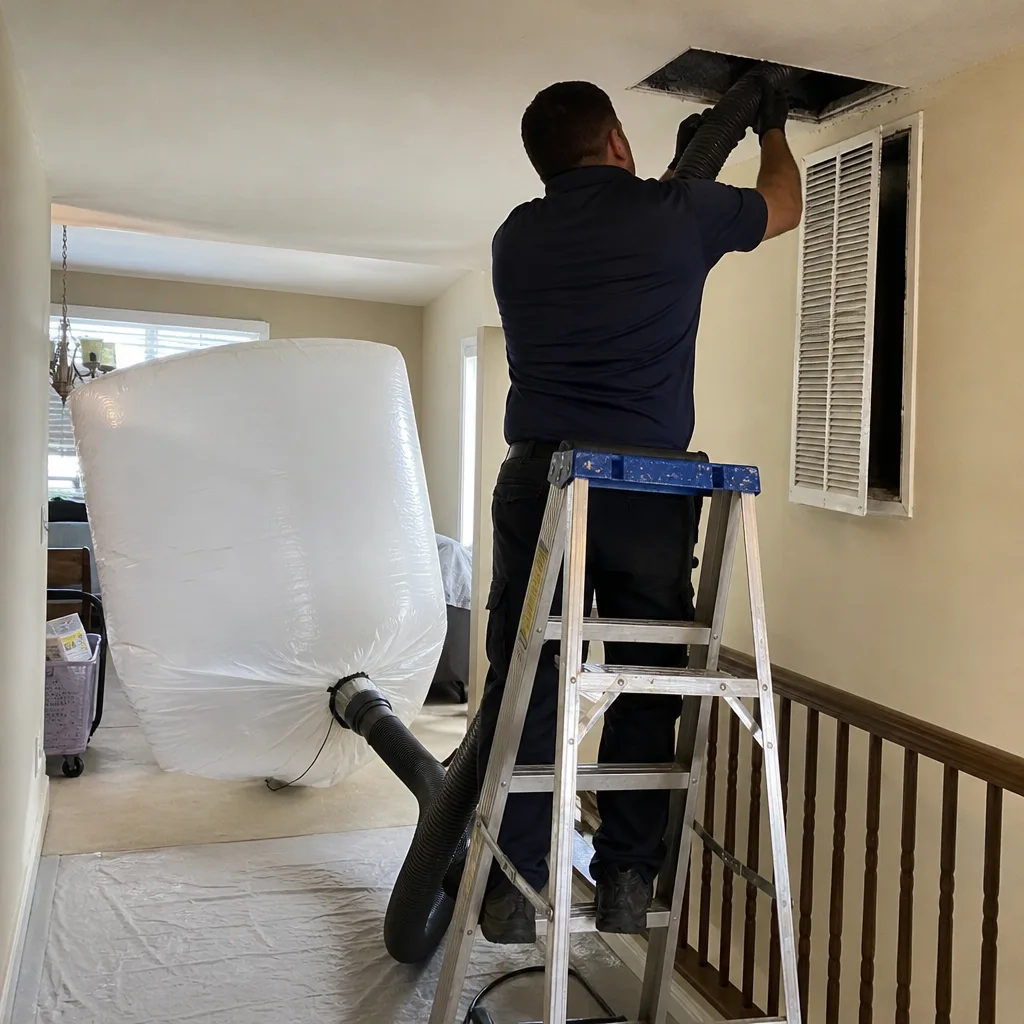
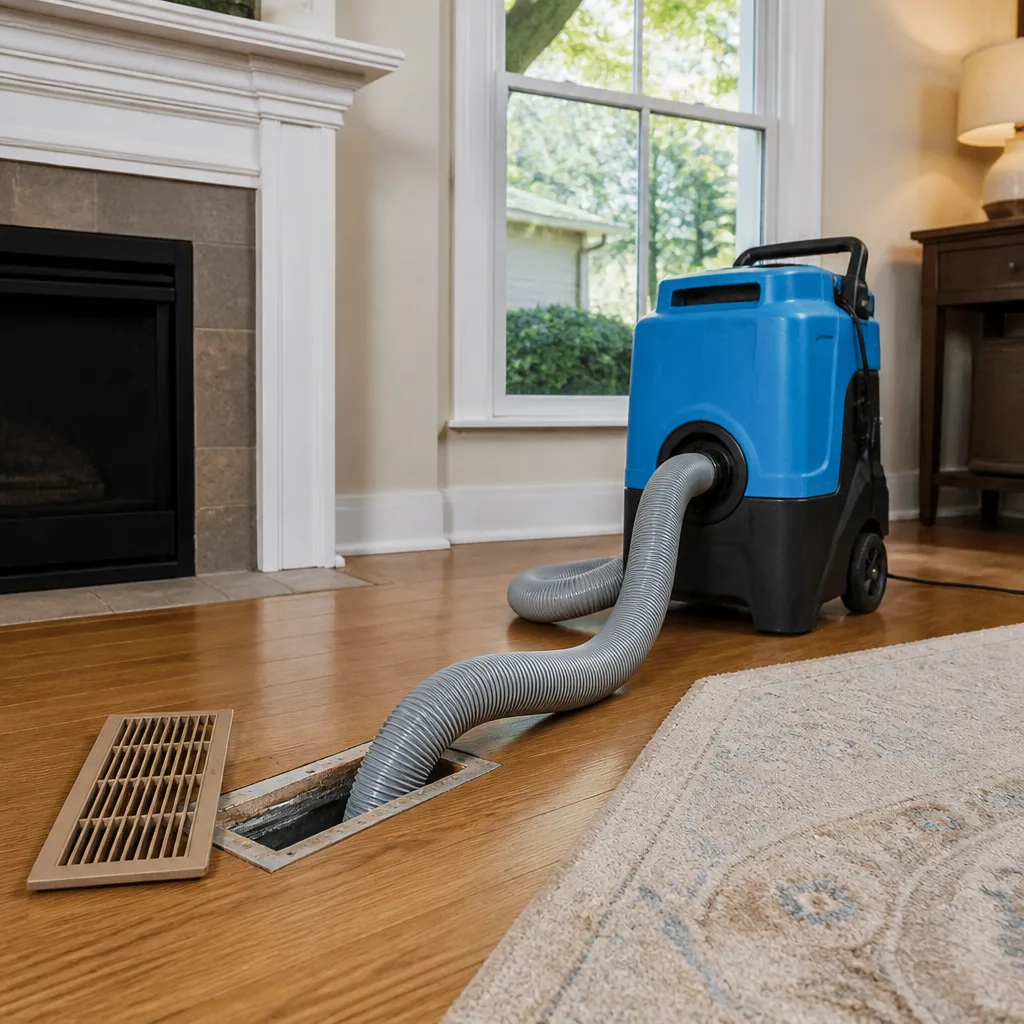 Whole-home duct cleaning
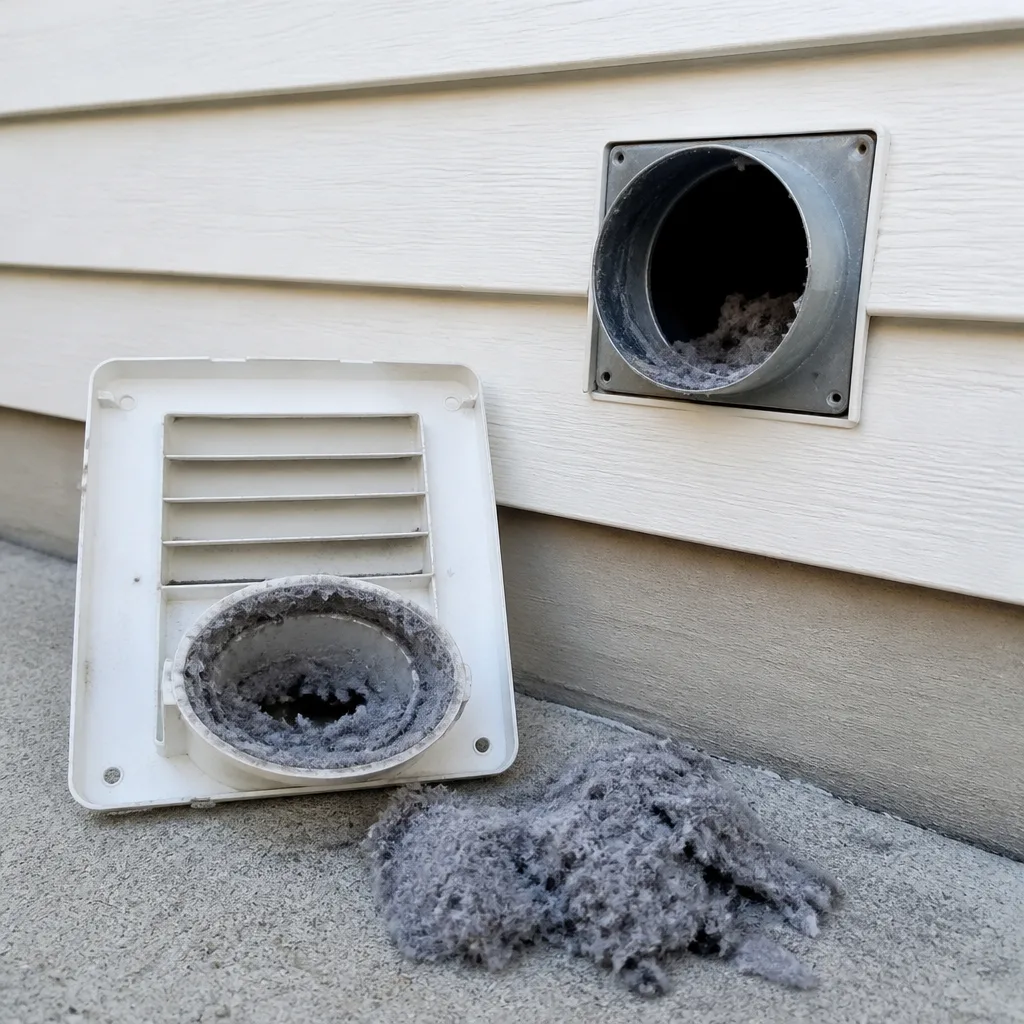 Dryer vent cleaning
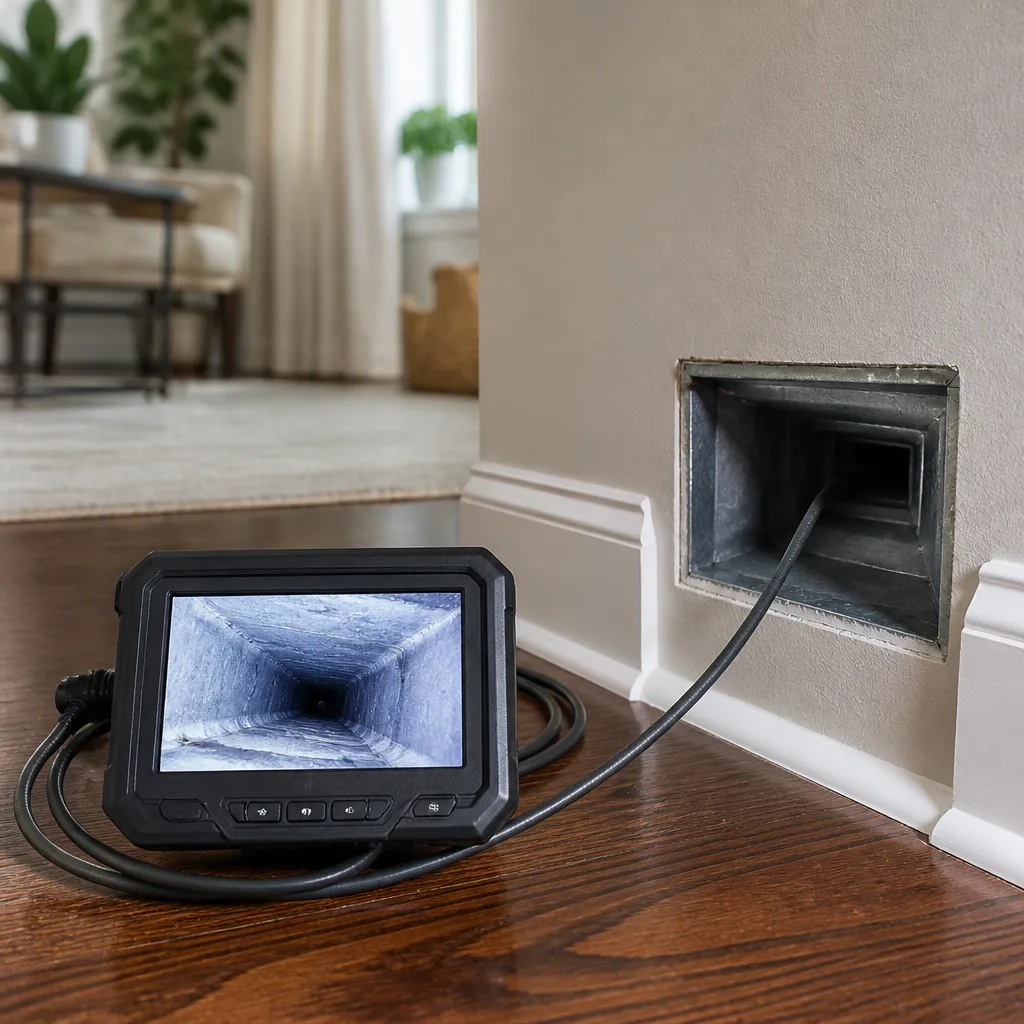 Camera inspection
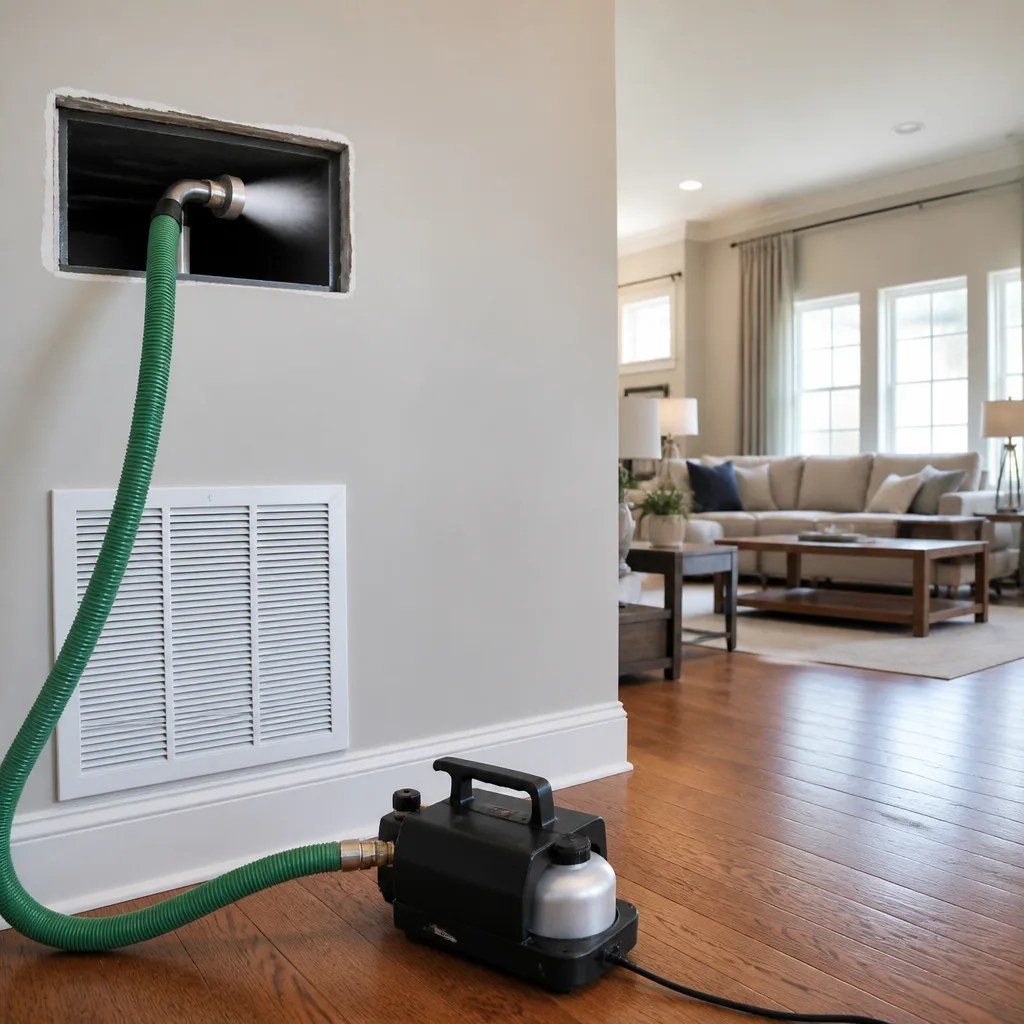 Sanitizing & deodorizing
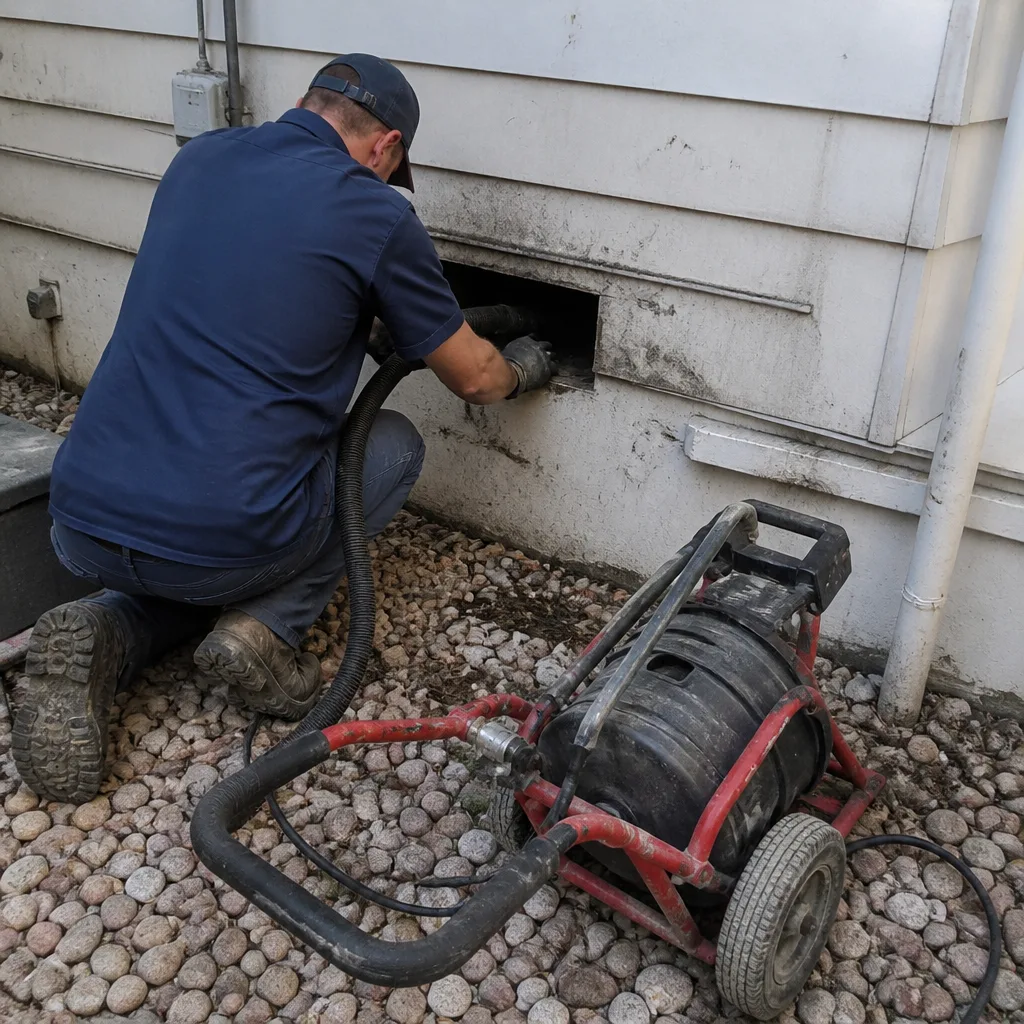
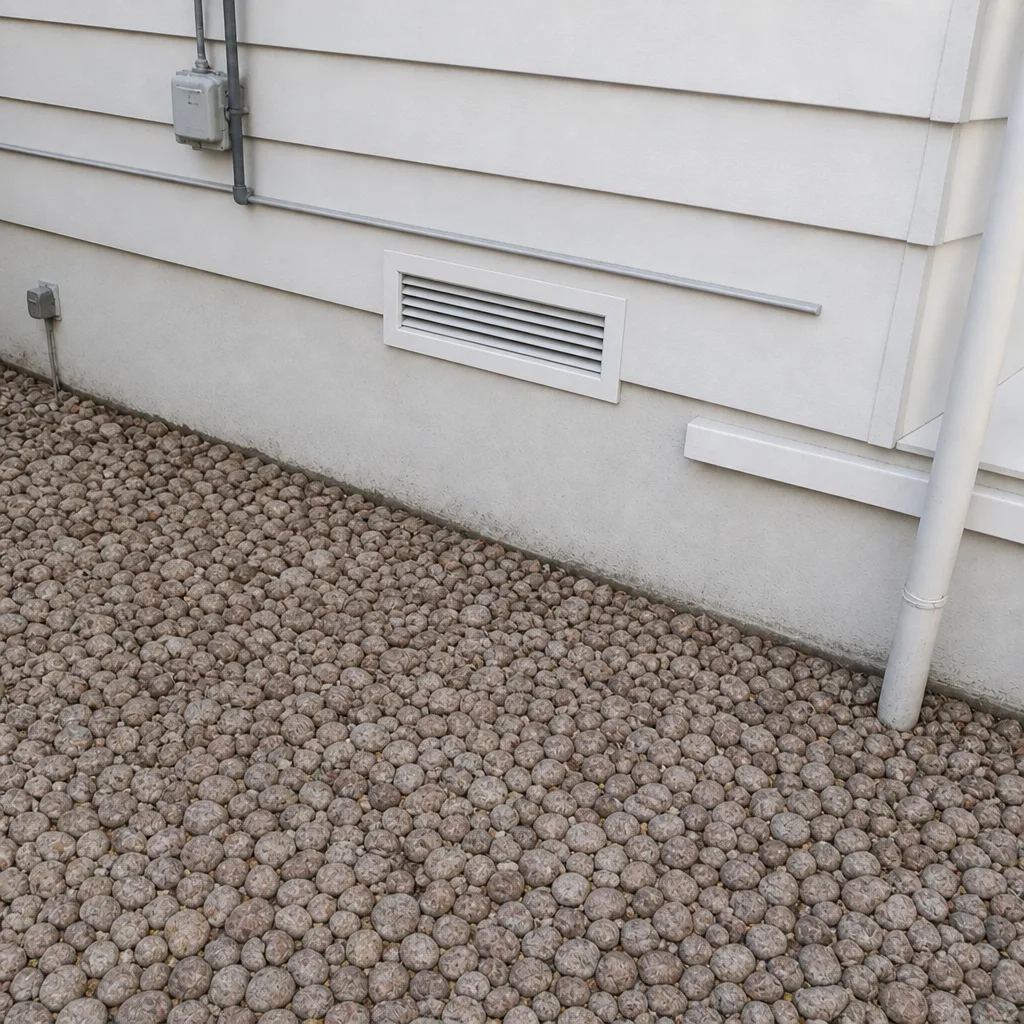
Whole-system duct and dryer vent check with before-and-after photos - you see exactly what came out of your vents
That "$99 whole-house special" is a bait ad - the real number appears once they are in your hallway, or the "clean" is a shop-vac at the register. We photograph the inside of your ducts before and after instead.
Air Duct Cleaning Emergency Preparedness Guide for Broomfield Homes
Most people treat their ductwork as background infrastructure until something goes wrong: smoke rolls in from a Front Range wildfire, a windstorm pushes fine grit through every gap in the house, or a summer storm drops enough rain to find a basement wall. Then the HVAC system that’s supposed to protect the indoor air becomes the thing pulling pollution inside. This guide is different from a standard cleaning checklist. It covers the pre-event preparation that keeps your ducts from becoming a delivery system for outdoor problems, and the post-event sequence that gets your air back to normal. You’ll learn the shutdown protocol for smoke events, the moisture window that matters after a flood, what to keep on hand before anything happens, and how to document duct condition for an insurance claim. Every step is written for how homes in Broomfield actually live through a bad air day or a storm week.
Quick Answer
Air duct emergency preparedness in Broomfield means knowing three things in advance: when to shut your HVAC system off rather than run it during a wildfire smoke event, how to temporarily seal return vents without damaging the system, and how to inspect ducts for fine particulate and combustion residue before you resume normal operation. Combine that knowledge with a small pre-assembled kit (filter stock, temporary register covers, a service contact number) and a photo record of your duct system’s condition, and you’ve converted a potential crisis into a manageable sequence of steps.
Styles & brands we work with
- Whole-home duct cleaning
- Dryer vent cleaning
- Camera inspection
- Sanitizing & deodorizing
Table of Contents
- The wildfire smoke shutdown protocol
- Post-event duct assessment: combustion residue versus ordinary dust
- Moisture intrusion: the 48 to 72 hour window
- Your pre-event duct emergency kit
- Documenting duct condition for insurance
- Windstorms, dust, and the Front Range grit problem
- Returning the system to normal safely
- Building ongoing resilience into your system
The Wildfire Smoke Shutdown Protocol: When to Recirculate and When to Stop
During a smoke event, the single highest-value action a homeowner can take happens in about thirty seconds: decide whether the system runs at all. Smoke doesn’t care about your filter’s MERV rating if the system is pulling outside air through an open intake or a leaky return. The instinct to keep the fan running “to filter the air” is often the wrong move, because a residential filter is not designed to process heavy smoke loading and the pressure drop across a clogged filter can strain the blower.
Use this sequence when a smoke plume is heading toward Broomfield:
- Check the weather and air quality forecast early. If smoke is forecast, close windows and exterior doors before it arrives, not after.
- Set your thermostat to fan-only “on” only if you have confirmed your system draws all its return air from inside the home. If the system has an outside-air intake, shut the fan off entirely.
- Switch the thermostat to recirculation mode if your system offers it. Recirculation runs indoor air through the filter without pulling in outside air, which is the useful middle ground during a moderate smoke event with a clean, high-efficiency filter.
- If smoke is thick and visibility outdoors drops, or your indoor air starts to smell of smoke, shut the system down completely. A stopped system can’t distribute particulate through the house.
- Temporarily cover return vents with a filter-rated material or a purpose-made magnetic register cover. Avoid plastic sheeting taped tight across a return while the fan is still running; a blocked return with the blower on can collapse flex duct or overheat the system.
- Log the time you made each change. If you file an insurance claim later, the timeline of when the system ran and when it was shut down helps establish that you took reasonable protective steps.
One detail that catches people in Broomfield: smoke events here often arrive with strong wind that also drives dust and grit. A system shut down for smoke still needs its filter checked afterward, because windblown particulate collects on the intake side regardless of whether the fan was running. Our technicians have up to 10 years of experience with exactly this scenario, and the routine we recommend is a filter check after every significant smoke or wind event, not just after the obvious ones.
Post-Event Duct Assessment: Combustion Residue Versus Ordinary Dust
After a smoke event, the question isn’t whether particulate got in. The question is how much deposited inside the ducts and whether it’s ordinary household dust or combustion byproduct. Combustion residue from wildfire smoke leaves a fine, oily, sometimes yellowish or brownish film that clings to surfaces and carries odor. Ordinary dust is dry, grey, and tends to sit loosely. If you pull a register cover and run a clean white cloth along the inside of the boot, the difference is usually obvious: a dry grey smear is ordinary dust, while a tacky, discolored, smoke-smelling residue means the system took on combustion particulate.
Assessment steps before you resume normal operation:
- Remove and photograph the filter. Note the color and whether it’s uniformly grey or has a dark, smoke-tinted loading pattern.
- Pull two or three register covers in different parts of the house and wipe the inside of the duct boot with a white cloth. Photograph each cloth against a white background for comparison.
- Smell test at the register with the system off. Lingering acrid or campfire odor after the outdoor air clears is a sign residue has settled inside the duct network.
- Look for visible soot streaks near the return grilles, especially in rooms closest to an outside wall or intake.
- Check the blower compartment if it’s accessible behind a service panel, but don’t open sealed electrical sections; note what you can safely see through the grille.
- If residue is tacky, discolored, or you detect persistent odor, a professional air duct cleaning with HEPA negative-air containment is the right next step. Dry-vacuuming smoke residue in a home can redistribute it back into the air.
For homes near the western edge of Broomfield, closer to the open space and foothills where smoke tends to settle on calm nights, residue deposition is often heavier on the return side than the supply side. That’s a pattern worth documenting, because it changes how much of the system needs attention.
Moisture Intrusion: The 48 to 72 Hour Window That Matters
When a Broomfield basement takes on water after a flash flood or a roof leak finds its way into a ceiling cavity, the ductwork running through those spaces becomes a biological risk within days. Duct board and flexible duct insulation both hold moisture, and any surface that stays wet for 48 to 72 hours becomes a candidate for mold growth. That window is the practical deadline for drying and assessing the system, not a suggestion.
What to do when water reaches a space with ductwork in it:
- Shut the HVAC system off entirely. Running a system with wet insulation pushes humid air and potential spores through the house.
- Remove standing water and begin drying the space with fans and a dehumidifier if you have them. Direct airflow at the duct surfaces, not just the floor.
- Photograph every visible section of duct, insulation, and the water line itself within the first few hours, while the extent of intrusion is still obvious.
- Smell the air near registers in the affected zone. A musty odor means moisture has already penetrated something and warrants professional assessment.
- Keep the system off until affected sections have been assessed. If insulation is saturated, it usually needs replacement, not just drying.
- Once the space is dry, have the duct system inspected before restart. A visual inspection combined with a moisture check on duct surfaces is the minimum before the system returns to duty.
Duct repair and sealing often follow a moisture event, because wet then dried seals and joints can open up, and a leak in a duct run through a damp basement pulls humid air into the conditioned space indefinitely. If an event revealed leaks that were already there, addressing them in the same visit as the cleanup saves the coordination headache of two contractors and two timelines.
Your Pre-Event Duct Emergency Kit: Build It Before You Need It
The worst time to shop for filter stock and register covers is the afternoon a smoke plume arrives and every hardware store in the north metro is out. Build a small duct emergency kit now, store it in a labeled bin, and check it once a year.
- Pre-cut filter stock. Two or three replacement filters in the correct size for your system, sealed in their packaging so they don’t get dusty on the shelf. Note the size on the bin lid.
- Temporary register covers. Magnetic register covers sized to your return grilles are the cleanest option; they seal quickly and come off without residue. For odd sizes, a roll of filter-rated material and painter’s tape works.
- A contact number for emergency HVAC and duct service. Write it on a card inside the bin so you’re not searching for it in the middle of a smoke event. Ours is (877) 792-6623.
- A small flashlight and a clean white cloth in a zip bag for the wipe test on duct interiors.
- A moisture meter if you want to know for certain whether a duct surface is dry. An inexpensive pin-type meter tells you more than your hand does.
- A notebook or phone folder to keep the timeline of each event: when the system was shut down, what you saw, what you did.
- A N95 mask or better for yourself if you’ll be inspecting registers during or right after a smoke event.
Property managers who oversee multiple units should scale this kit accordingly: one bin per building, spare filters for each system size on the property, and a single shared log. It’s the difference between a coordinated response and a week of scrambling after the fact.
Documenting Duct Condition: What Adjusters Actually Need
Insurance claims for smoke or water damage to a duct system are often approved or denied on documentation quality, not severity. Adjusters want to see the system before the event and after, with enough context to judge the extent of contamination or damage. The time to build that “before” record is now, on a calm day.
Build a baseline record that will actually help you later:
- Photograph every register and return with the cover off, showing the visible interior of the boot. Include a ruler or coin in the frame for scale.
- Photograph the furnace or air handler area, the main trunk, and any visible plenum connections. Wide shots and close-ups of joints and seams.
- Note the equipment model numbers, filter size, and system layout on a single sheet.
- Date-stamp every photo. Most phone cameras do this automatically; keep it on.
- Store the baseline file in cloud storage so a flooded or damaged home doesn’t take your documentation with it.
After an event, capture the same angles plus the damage evidence: the water line on a duct section, smoke residue on a register boot, the loading pattern on the filter, saturated insulation. Adjusters consistently respond better to matched before-and-after angles than to a random collection of close-ups. If you’re a Broomfield property manager handling a multi-unit building, the baseline file per unit also shortens the claims process considerably. Recording the timeline of when you shut the system off and when you called for professional HVAC cleaning shows you mitigated the damage as a reasonable owner, which matters.
Windstorms, Dust, and the Front Range Grit Problem
Broomfield sits on open ground where wind events can push fine dust across the whole metro in an afternoon. That dust doesn’t just coat the outside of the house. It works into return grilles, exterior penetrations, and any gap in the duct network. Homes on the eastern side of Broomfield, in the newer subdivisions where construction wraps up around them, often pick up more construction dust on top of the windblown material. Between the wind, the nearby development, and the occasional smoke event, the intake side of a duct system here accumulates material faster than the average maintenance schedule assumes.
What windstorms reveal that cleaning doesn’t fix:
- Leaking duct joints and disconnected sections, where a wind event pushes grit straight into the supply side rather than the return.
- Poorly sealed plenum and boot connections that let exterior dust in through the wall cavity.
- Loose flex duct that sags or separates under pressure changes during high wind events.
This is why clean ducts are the start, and sealed, repaired ducts are the finish. Cleaning removes what got in; sealing stops the next dust event from getting in the same way. When we work in Broomfield homes, we use Rotobrush brush-and-vacuum equipment to contact-clean every interior duct surface, and Nikro HEPA negative-air units to capture what’s dislodged rather than pushing it back into the living space. On jobs where wind or smoke has exposed leaks, our technicians have the duct repair and sealing capability to fix them in the same visit. The full-system approach matters most here, where the front range acts as a natural wind tunnel.
Returning the System to Normal Safely
Once outdoor conditions clear, restarting the system isn’t a single step. Smoke residue in particular can linger in ducts and get blown back into the house the first time the fan runs. The safest resume sequence moves from the outside in.
- Confirm outdoor air quality has returned to normal for Broomfield. Don’t restart based on the smell alone.
- Install a fresh filter before restarting. If the old one is heavily loaded with smoke residue, don’t reuse it.
- Uncover the returns. Leave any suspect sections of duct untouched for a final inspection.
- Run the system on fan-only for a short period and notice the smell. If acrid odor returns immediately, shut it down and call for assessment.
- Check every register after the first hour of normal operation. Wait time matters; a smell that only shows up hours later means residue is inside the duct network.
- Log the resume date in your documentation file.
For households with allergies or asthma, an upgrade after a smoke event can pay for itself in comfort: higher-MERV filtration, humidity control, or UV treatment added on top of the cleaning. Honeywell and Aprilaire components integrate with most residential systems, and combining them with a fresh seal on the duct network gives you air you can measure rather than air you just hope is clean. If you’d rather not tackle the upgrade on your own after a bad event, we walk through the options.
Building Ongoing Resilience Into Your System
The house that comes through the next smoke event or flash flood in good shape is the one that was already prepared. Resilience is cumulative and it doesn’t require a big one-time project. Filter changes on schedule, routine inspection of the return side, and knowing your system’s layout well enough to tell when something is off, all reduce the impact of the next event.
What actually moves the needle for a Broomfield home:
- Schedule a professional air duct cleaning inspection once a year if you live near open space or a development site, since those are the homes that accumulate the most windblown material.
- Keep your duct kit stocked and your documentation file current. It’s a five-minute annual task.
- Check the dryer vent cleaning schedule alongside duct maintenance; the dryer vent is a fire-safety item too many homeowners overlook until an emergency makes it urgent.
- After any moisture event, treat duct repair and sealing as part of the recovery, not a someday project.
- Use named professional-grade equipment whenever you bring someone in. Rotobrush contact cleaning, Nikro HEPA containment, and Abatement Technologies air purification during service are the baseline for a job done right, and the difference between surface moving and actual cleaning shows up months later.
Common Mistakes to Avoid
- Running the HVAC during a heavy smoke event to “filter” the air. A residential filter isn’t built for smoke loading, and running the fan while returns are uncovered distributes particulate. Shut the system down first, then decide about recirculation.
- Taping return vents closed while the blower is running. A blocked return with the fan on strains the system and can collapse flex duct. Cover returns only with the system off, and use register covers or filter-rated material rather than plastic sheeting.
- Waiting past 48 to 72 hours after moisture intrusion before assessing the ducts. Duct board and flex insulation hold water, and beyond that window the biological growth risk starts climbing. Get a professional inspection in that window, not after.
- Not documenting duct condition before an event. Adjusters can’t compare to nothing. Baseline photos taken on a calm day do more for a claim than a stack of close-ups taken mid-emergency.
- Skipping the filter check after a wind event. Front Range winds push grit in regardless of whether the fan was on. A filter loaded with windblown dust drives up static pressure and strains the blower.
- Treating a post-event cleaning as a one-visit finish. If the event exposed leaks or disconnected sections, cleaning without sealing means the next event brings the same problem back. Fix the ductwork while the cleaning crew is already on site.
- Assuming a cheap air-duct quote “in an emergency” is a fair one. The industry’s bait-and-switch reputation costs homeowners the most when they’re scrambling. A single flat estimate per system agreed before work starts keeps the price honest.
See the difference
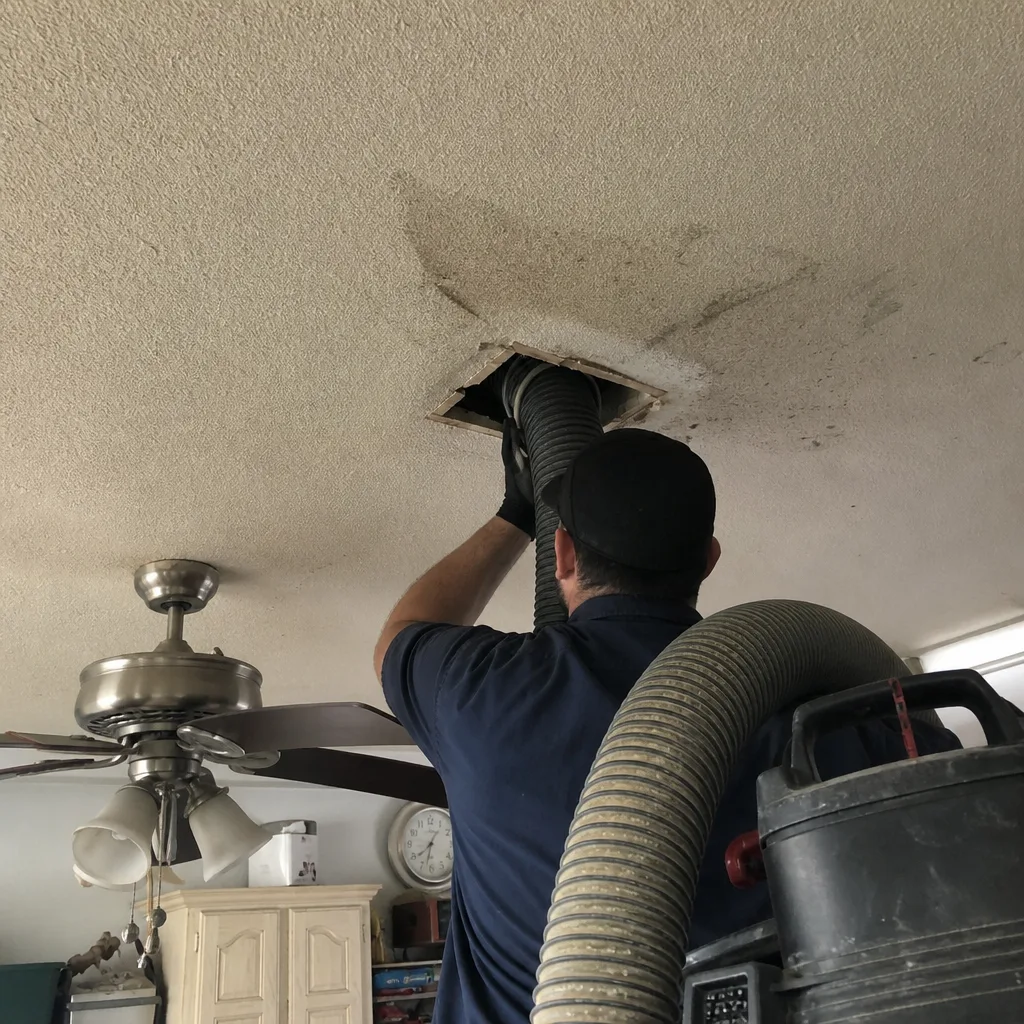 Before
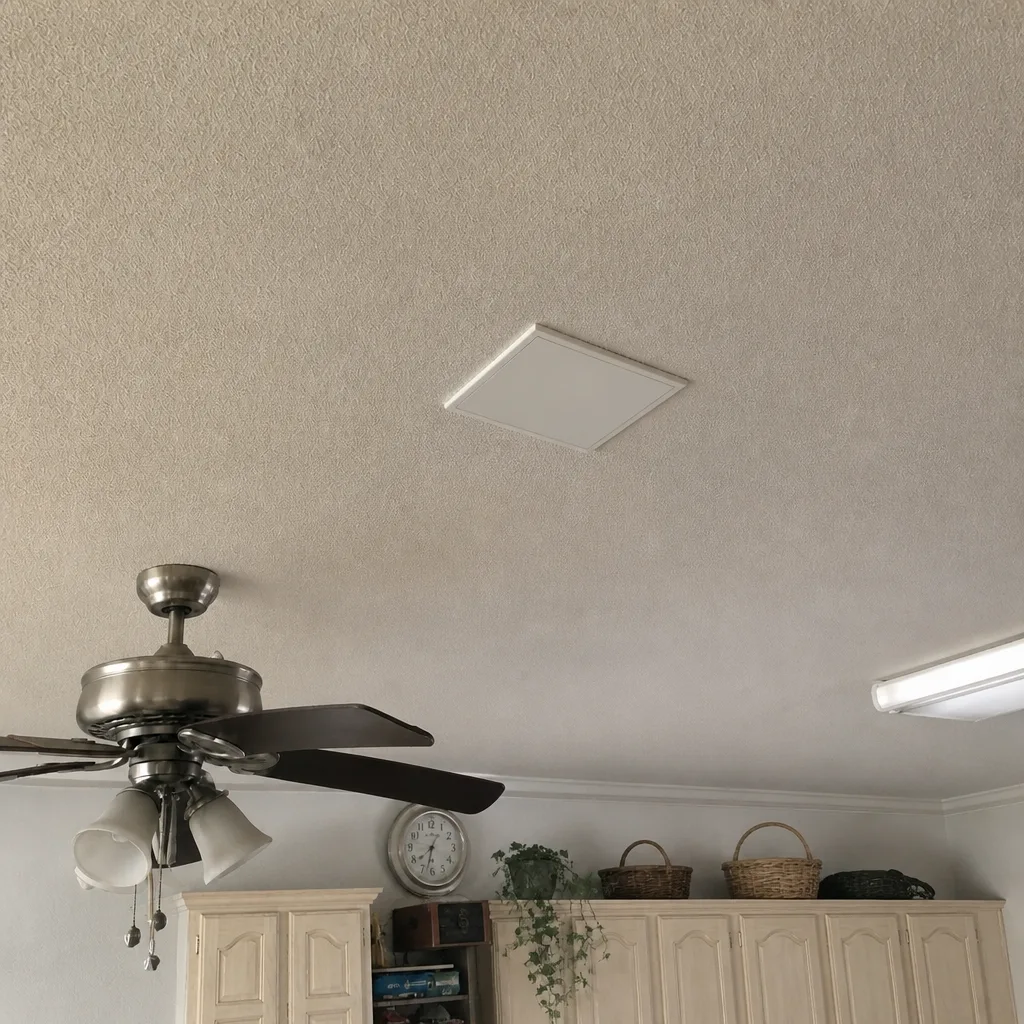 After
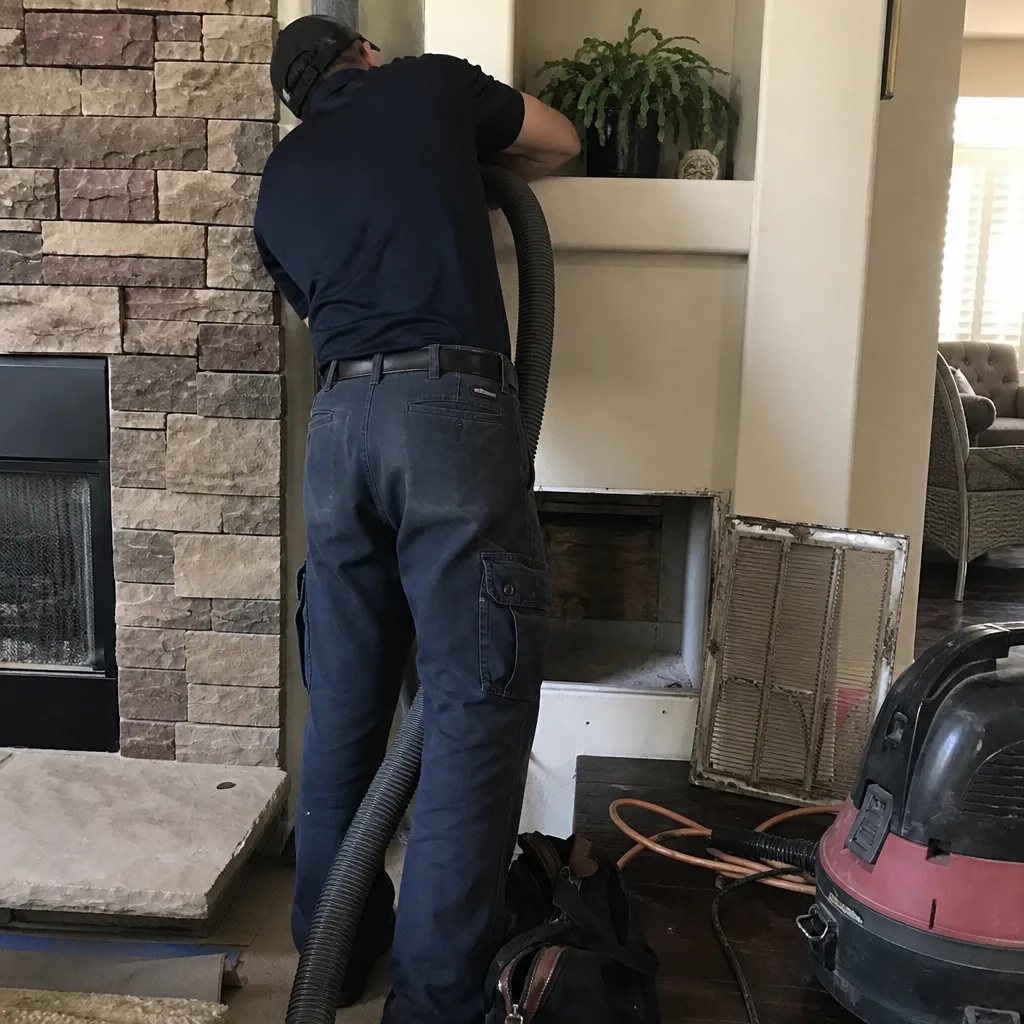 Before
 After
 Before
 After
When to Call a Professional
Some post-event duct issues are clear-cut before you even pick up the phone. If your ducts smell of smoke more than a day after outdoor air has cleared, if any part of your duct system came into contact with floodwater or a roof leak, if a windstorm visibly separated a duct section or blew insulation loose, or if you detect musty odor near a register in an area that got wet, professional assessment is the right next step. Don’t try to dry out insulation with a shop vac and hope for the best, and don’t run the blower through a wet section. For a smoke or dust event where you just want a professional read on whether cleaning is warranted, that’s a useful call too.
Broomfield Air Duct Cleaning Pros offers free estimates in Broomfield. Call (877) 792-6623. We answer 24/7. Fast dispatch from 7am to 7pm, Sunday through Friday. Our technicians have up to 10 years of experience, we use Rotobrush, Nikro, and Abatement Technologies equipment on every job, and we cover duct repair and sealing in the same visit when the assessment calls for it. The local pro is licensed and insured as their state requires, and you’ll see before-and-after photos of your own system.
Frequently Asked Questions
Yes, if outdoor smoke is thick or you can already smell it indoors, shut the system down completely. A running system with returns open pulls particulate in and distributes it through the house. Switch to recirculation mode only if your system draws all return air from inside and your filter is clean and lightly loaded. Call (877) 792-6623 for an exact assessment quote after the event. Estimates are free.
Within 48 to 72 hours of the water reaching a space that contains ductwork. Duct board and flex insulation hold moisture, and beyond that window the risk of biological growth climbs. Get the system off, start drying the space, photograph the water line, and call for an inspection before restarting the system.
The wipe test is the simplest answer. Pull a register cover, run a clean white cloth along the inside of the boot, and look at what comes off. Dry grey smears are ordinary dust; tacky, discolored, smoke-smelling film means combustion residue has settled inside. Persistent odor after outdoor air clears is a second reliable indicator.
You need matched before-and-after photos of the same register and duct sections, the timeline of when you shut the system down and when you called for service, and documentation of the damage itself (water line, filter loading pattern, residue). A baseline file photographed on a calm day is the single most useful thing to have on hand before an event.
Yes, and it’s a fire-safety item that gets overlooked far more often than ductwork. Lint accumulation in the dryer vent is a genuine risk, and regular professional dryer vent cleaning is part of whole-home air-system care. If you’re assembling an emergency kit, add the dryer vent cleaning date to your documentation log so you don’t skip it.
Not always, and the answer depends on how deeply the moisture penetrated. Cleaning can address contaminated duct surfaces, but saturated insulation usually needs replacement, and any duct section that stayed wet beyond 48 to 72 hours needs a full inspection before it goes back into service. Duct repair and sealing often follow the cleanup on these jobs, because water exposure opens up seals and joints.
It can become one quickly. A disconnected duct section or a blown-out boot lets windblown dust and, during a smoke event, combustion particulate straight into the living space. If you see a visible separation or hear whistling at a register, that’s worth investigating before the next wind event. Call (877) 792-6623. We answer 24/7. A call outside dispatch hours is booked into the next opening, Sunday through Friday, 7am to 7pm.
The Bottom Line
Duct emergency preparedness in Broomfield comes down to a few moves you make before anything happens. Know when to shut your HVAC system off during a smoke event and how to cover returns without damaging the blower. Keep a stocked kit with filters, register covers, and a service contact number. Build a photo baseline of your duct system so an insurance claim has something to compare to. And after any smoke, wind, or moisture event, inspect before you restart, because what’s sitting inside your ducts is the real measure of how bad the event was for your home. If a cleaning or repair is called for, use equipment that actually captures what it dislodges; Rotobrush, Nikro HEPA, and Abatement Technologies are the standard, and the difference shows up months later when the house still smells clean.
Call (877) 792-6623 for a free estimate from Broomfield Air Duct Cleaning Pros. We answer 24/7. Fast dispatch from 7am to 7pm, Sunday through Friday. One provider for Broomfield Air Duct Cleaning Pros service across air duct cleaning, dryer vent cleaning, HVAC cleaning, duct repair and sealing, and air quality and sanitizing, with before-and-after photos and one flat estimate per system agreed before work starts.
Written by the team at Broomfield Air Duct Cleaning Pros.